
Emicool Emicool

What Is the Best Hand Massager for Global Buyers?

Time:2026-09-21 Author:Henry
0%

Global buyers are paying closer attention to hand comfort, recovery, and everyday ergonomics. The World Health Organization reports that musculoskeletal conditions affect approximately 1.71 billion people worldwide. Hand fatigue is only one small part of that wider problem. Still, it matters to office workers, musicians, drivers, athletes, and older users.

Market interest is also expanding. Grand View Research estimated the global massage equipment market at about USD 6.9 billion in 2023. Its report projects continued growth through 2030, supported by home wellness and portable recovery products. These figures do not measure the Hand Massager category alone. That distinction matters. Many online articles blur the numbers. Buyers should question oversized market claims.

Dr. Tiffany Field, founder of the Touch Research Institute, has stated, “Massage therapy is effective in reducing pain, anxiety, and depression.” Her research supports the value of touch-based care, but it does not prove that every Hand Massager delivers clinical results. A practical comparison should examine compression strength, heat control, noise, battery life, cleaning, and hand-size compatibility. A device that feels gentle on a small hand may feel weak on a larger one. Some models also create uncomfortable pressure around the thumb joints. That is easy to miss in polished product photos.

The best choice depends on the user, not only the brand. Look for transparent specifications, realistic instructions, verified customer feedback, and safety information for your market. A Hand Massager should support comfort. It should never replace professional medical advice for persistent pain, swelling, numbness, or loss of movement. Small details often decide the purchase.
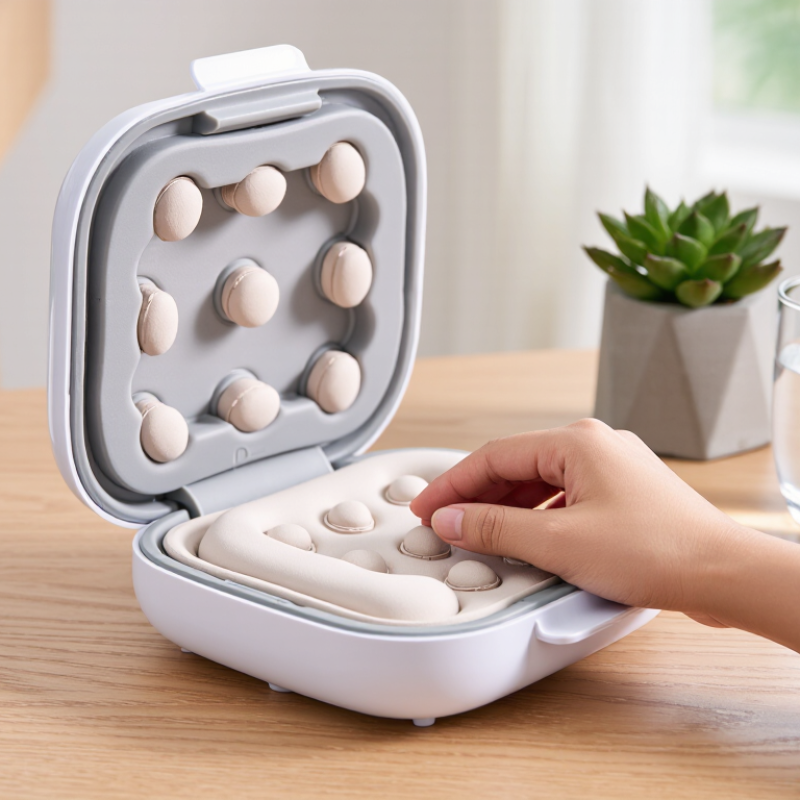
What Is the Best Hand Massager for Global Buyers?

What Is a Hand Massager and How Does It Work?

A hand massager is a compact device designed to stimulate the hands, fingers, palms, or wrists. It commonly uses pneumatic air compression, rolling nodes, vibration, heat, or a combination of these methods. Air chambers inflate around the hand, creating gentle pressure. Rolling parts apply localized contact. Heat may relax superficial muscles and improve comfort, but it does not treat every cause of hand pain.

The World Health Organization reports that about 1.71 billion people live with musculoskeletal conditions worldwide. This helps explain the growing interest in home-use recovery tools. Grand View Research valued the global massage equipment market at approximately USD 6.9 billion in 2022. Its report also projected continued growth through 2030. These figures show demand, not guaranteed medical results. Pressure that feels soothing for one user may feel uncomfortable for another. I have found that shorter sessions often work better than maximum intensity. More power is not always better.

Tips: Choose adjustable compression, clear controls, and washable contact materials. Global buyers should check voltage compatibility, plug standards, warranty coverage, and safety certifications. Avoid using heat or strong compression over broken skin, reduced sensation, swelling, or unexplained pain. People with circulation problems, nerve disorders, or recent injuries should ask a qualified healthcare professional first. The device should feel supportive, never sharp, numb, or restrictive. Stop immediately if symptoms worsen.

Which Hand Massager Types Are Available for Global Buyers?

Global buyers can choose from several hand massager types, each designed for a different comfort preference. Air-compression models use inflatable chambers around the palm and fingers. They create a gentle squeezing rhythm, similar to a careful hand massage. Kneading or shiatsu devices use rotating nodes to press specific areas. These can feel deeper, but sensitive users may find them intense. Vibration models are lighter and often quieter. Some devices combine vibration, compression, and adjustable heat.

Manual massagers remain useful for travelers and buyers who prefer simple control. They need no charging, cables, or regional plug adapters. Electric models offer more settings, but buyers should check voltage, plug type, battery rules, and operating instructions before ordering internationally. Heat is pleasant after typing or cold outdoor work. However, it should feel warm, never painfully hot. Product testing experience suggests that easy-to-clean materials and clear controls matter more than a long feature list. I once underestimated button placement; small controls can become frustrating after a long day.

Tips: Compare hand size limits, pressure levels, timer settings, noise, and return support. Look for transparent safety information and market-appropriate certifications. People with reduced sensation or ongoing hand pain should ask a qualified healthcare professional before using heat or strong compression. Comfort is personal. A powerful setting is not automatically better. Some buyers may prefer a basic device after trying an advanced one.

What Features Matter When Choosing the Best Hand Massager?

For global buyers, the best hand massager depends on useful features, not impressive packaging. A practical evaluation should begin with fit. The device should support different hand sizes without squeezing the fingers painfully. Adjustable intensity matters because tired hands may need gentle pressure, while stronger settings can suit occasional deep massage.

Heat can improve comfort, but it should offer several temperature levels and automatic shutoff. Excessive heat may irritate sensitive skin. Look for clearly labeled controls that are easy to operate with one hand. Quiet motors also matter in offices, bedrooms, and shared spaces. A massager that sounds like a small engine quickly becomes annoying.

Battery life, charging compatibility, and cleaning deserve careful attention. Global users should check voltage requirements, charging ports, plug options, and local warranty support. Removable fabric liners or smooth surfaces make regular cleaning easier. Materials should feel durable and free from sharp seams. Safety instructions must explain when to stop using the device, especially for people with circulation concerns, numbness, or recent hand injuries.

A reliable product should provide realistic pressure descriptions, not vague promises. Independent testing or clear technical data can strengthen trust. No device feels perfect for every hand. I would prefer moderate pressure and simple controls over extra modes I rarely use. Some buyers may value portability more than heat, and that tradeoff deserves honest consideration.

How to Compare Comfort, Safety, Quality, and Price

What Is the Best Hand Massager for Global Buyers?

Comfort should be tested before specifications are trusted. A good device should fit the palm without forcing the fingers outward. Try it for 10 to 15 minutes, then check for numbness, pressure marks, or excessive heat. Quiet motors matter in offices and shared homes. I once preferred stronger compression, but it quickly became uncomfortable. That experience changed my buying criteria.

Safety requires more than a reassuring product description. Look for adjustable intensity, a clear timer, stable heat control, and easy emergency release. Electrical components should show testing suitable for the destination market. Instructions must explain charging, cleaning, storage, and user limitations. The World Health Organization reports that musculoskeletal conditions affect about 1.71 billion people worldwide, but a massager is not a medical treatment. That distinction matters.

Quality appears in small details. Examine stitching, plastic joins, button response, battery information, and warranty terms. McKinsey’s 2024 Future of Wellness report found that 82% of U.S. consumers view wellness as a top or important priority. Demand can encourage poor shortcuts, however. Compare independent reviews with technical documentation, not only attractive photographs. Price should include shipping, taxes, replacement costs, and likely return expenses. A cheaper device may become expensive after one battery failure. My judgment remains imperfect: comfort differs between small and large hands, so a generous return policy may be more valuable than a slightly lower price.

How to Select a Hand Massager for Different User Needs

What Is the Best Hand Massager for Global Buyers?

Selecting the best hand massager depends on the user, not just the feature list. A desk worker may prefer gentle compression, low noise, and a compact design. Someone with stiff hands may value adjustable pressure, warmth, and simple controls. However, heat is not suitable for everyone. Users with reduced sensation or circulation concerns should seek medical advice before using it.

Fit matters more than many buyers expect. Measure the hand opening and check whether the device supports different hand sizes. A heavy unit can become tiring after several minutes. Try looking for washable liners, clear buttons, and an automatic shutoff. These details matter during daily use. Very strong pressure is not always better.

Global buyers should inspect charging voltage, plug compatibility, language options, warranty coverage, and return policies. Battery models offer convenience, but battery replacement may be difficult in some regions. Confirm local electrical safety documentation when purchasing a mains-powered model. Online reviews can reveal noise, heat consistency, and durability, but they may not reflect every user’s experience. I once focused too much on massage programs and overlooked cleaning. That was a practical mistake. The best choice balances comfort, safety, maintenance, and the user’s actual routine.

What Is the Best Hand Massager for Global Buyers? - How to Select a Hand Massager for Different User Needs

User Need Recommended Massager Type Pressure or Massage Mode Heat Function Typical Session Suggested Battery Capacity Key Buying Priority Best Use Environment
General relaxation Full-hand air-compression massager Low to medium pressure with 2–3 automatic programs Optional; approximately 38–42°C 10–15 minutes 1,800–2,500 mAh for cordless use Comfortable fit, simple controls, quiet operation Home, office, or evening use
Office workers and frequent typing Compact compression and vibration massager Gentle compression with light vibration Moderate heat, preferably with a separate heat switch 5–10 minutes 1,500–2,000 mAh Portable design, low noise, one-button operation Desk, workplace, or commuting
Older adults seeking gentle comfort Soft-lined air-compression massager with large controls Low pressure, gradual inflation, and easy intensity adjustment Low-temperature heat with automatic shutoff 5–10 minutes 2,000–2,500 mAh Clear display, easy-to-use buttons, removable washable liner Home use with supervision when needed
Athletes and active users Higher-pressure compression massager with selectable zones Medium to firm pressure with sequential compression Optional heat; cooling or heat-free mode may be preferred after activity 10–15 minutes 2,500–3,000 mAh Strong motor, adjustable intensity, durable materials After training or travel
Users with cold hands Hand massager with independent heating and compression controls Gentle to medium compression Adjustable heat, approximately 38–42°C 10 minutes, followed by a cooling period 2,000–2,500 mAh Even heat distribution, temperature control, thermal safety Cold climates and indoor use
Travelers and mobile users Lightweight cordless hand massager One or two low-noise compression modes Optional; heat is not essential for portability 5–10 minutes At least 2,000 mAh Weight under 1 kg, USB charging, compact storage Hotels, flights, and business travel
Users with different hand sizes Adjustable open-finger or flexible-cuff massager Customizable pressure with manual intensity control Optional, with heat that can be turned off 5–15 minutes 2,000–2,500 mAh Wide size range, adjustable straps, washable interior Shared household use
Selection checklist: Check hand circumference compatibility, adjustable intensity, automatic shutoff, heat control, washable materials, charging specifications, operating noise, and applicable electrical safety requirements in the destination market.

Safety note: A hand massager is intended for comfort and relaxation, not medical treatment. Users with reduced sensation, circulation problems, recent injuries, or implanted medical devices should consult a healthcare professional before use.

FAQS

What types of hand massagers are available for international buyers?

Options include air compression, kneading, vibration, heat, and manual massagers. Some combine several functions.

Which hand massager suits a desk worker?

A quiet model with gentle compression, low vibration, and a compact shape may work well. Office silence matters.

How can buyers check whether a massager fits?

Measure the hand opening and compare it with the product’s size limits. Fingers should not feel forced outward.

What comfort signs should users check during testing?

Use the device for 10 to 15 minutes. Stop if numbness, pressure marks, or excessive heat appear.

Is stronger compression always better?

No. Strong pressure can feel unpleasant, especially for sensitive users. Comfort is personal. I once chose intensity over comfort.

What safety features should buyers look for?

Adjustable intensity, a clear timer, stable heat control, and quick release are useful. Heat should feel warm, never painful.

What should global buyers check before ordering an electric model?

Confirm voltage, plug type, charging requirements, language options, and local safety documentation. Regional compatibility can prevent disappointment.

How should buyers compare the real price?

Include shipping, taxes, replacement parts, batteries, and return costs. A cheap device may become expensive later.

What maintenance details matter in daily use?

Look for washable liners, smooth surfaces, clear buttons, and simple cleaning instructions. I once ignored cleaning and regretted it.

Who should seek professional advice before using heat or strong compression?

People with reduced sensation, circulation concerns, or ongoing hand pain should consult a qualified healthcare professional first. A massager is not medical treatment.

Conclusion

A Hand Massager is a wellness device designed to ease hand fatigue, muscle tension, and everyday discomfort through techniques such as air compression, vibration, heat, kneading, or a combination of these functions. For global buyers, available options may include compact handheld models, compression gloves, heated massagers, and multifunctional devices. Understanding how each type works helps users identify the most suitable solution for their comfort preferences, usage habits, and hand-care goals.

When choosing the best Hand Massager, buyers should compare comfort, adjustable intensity, heating control, ergonomic design, battery life, noise level, material quality, cleaning convenience, and safety features. Price should be considered alongside durability and performance rather than viewed as the only deciding factor. Different users may need different solutions: office workers may prefer portability, athletes may value stronger massage settings, older adults may benefit from simple controls, and frequent travelers may prioritize lightweight designs. A thoughtful comparison can lead to a safe, comfortable, and practical choice.

Henry

Henry

Henry is a dedicated marketing professional with a profound expertise in the company's offerings. With years of experience in the industry, he possesses an impressive understanding of the market dynamics and consumer behaviors that drive success. Henry is committed to sharing his insights through......