Leg discomfort can make ordinary moments feel surprisingly difficult. A long commute, desk-based work, or evening spent standing may leave your calves tight and heavy. A Leg Massager can provide gentle compression, warmth, or rolling pressure that supports a more comfortable recovery routine. However, these devices are not identical, and stronger pressure does not always mean better results.
This guide explores the Top 10 Best Leg Massagers for Circulation, focusing on practical features rather than exaggerated promises. We consider compression levels, massage patterns, heat settings, fit, controls, noise, cleaning, and everyday comfort. We also examine how each model may suit different users, including office workers, travelers, athletes, and people with tired legs. Real-world details matter. A sleeve that slips during use can quickly become frustrating. A remote with tiny buttons may be difficult to operate at night.
Evidence and professional guidance should shape expectations. Massage may temporarily improve comfort and perceived circulation, but it does not treat underlying vascular conditions. People with unexplained swelling, severe pain, numbness, skin changes, or a history of blood clots should seek medical advice before using compression equipment. Some devices also require caution for people with diabetes, heart conditions, or poor sensation. The ranking is not perfect, and personal fit remains important. Our comparisons aim to make that decision clearer, safer, and more realistic.
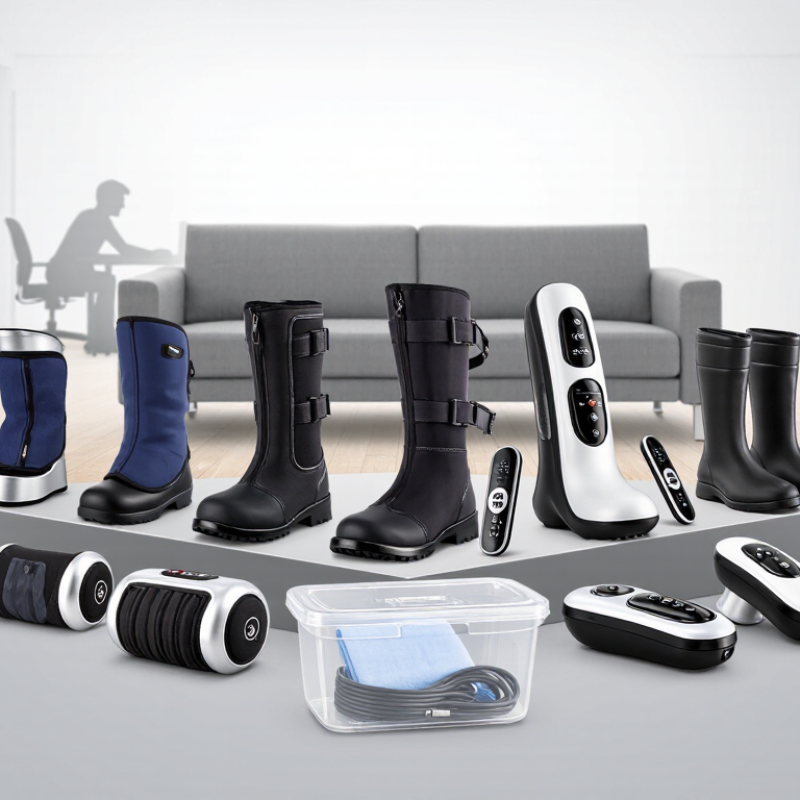
What Leg Massagers Are and How They Support Circulation
Top 10 Best Leg Massagers for Circulation?
What Leg Massagers Are and How They Support Circulation
Leg massagers are home devices designed to apply pressure, vibration, warmth, or rolling motion to the legs. Air-compression models inflate around the calves and feet, then release pressure in cycles. This action may encourage fluid movement and support venous return after sitting or standing for long periods. Gentle massage can also relax tight muscles and make tired legs feel lighter. However, comfort does not always prove better circulation.
The most useful device depends on your symptoms, sensitivity, and medical history. A compression setting that feels pleasant may still be too strong for someone with numbness or fragile skin. I have noticed how easy it is to mistake temporary warmth for a medical improvement. That is an important limitation. People with suspected blood clots, unexplained swelling, severe arterial disease, open wounds, or reduced sensation should seek professional advice before use. Stop immediately if pain, discoloration, dizziness, or unusual swelling appears.
Tips: Start with the lowest pressure and use short sessions, such as ten minutes. Keep the legs relaxed, but avoid sleeping while the device operates. Check your skin afterward for red marks that remain. Drink water normally, and do not treat massage as a replacement for walking, prescribed compression, or clinical care. A healthcare professional can help identify whether your swelling comes from circulation, injury, medication, or another condition.
Key Features to Compare in Leg Massagers
When comparing the top ten leg massagers, examine how each model supports comfortable, controlled compression. Look for adjustable pressure levels and sequential air chambers that inflate from the foot toward the calf. This pattern may encourage fluid movement more naturally than a fixed squeeze. That difference matters.
Fit deserves careful attention. Measure your calf and thigh before choosing a sleeve. A loose wrap may provide little support, while a tight one can feel painful or leave marks. Check whether the controls are simple enough to use while seated. Heat can feel soothing after a long day, but it should have separate temperature settings and automatic shutoff. Stronger is not always better.
Practical details often decide whether a device gets used regularly. Examine the noise level, cord length, battery life, and storage size. Removable, washable liners are valuable after repeated sessions. I once underestimated sleeve weight. It became inconvenient quickly. Read the safety guidance, especially if you have circulation disorders, diabetes, unexplained swelling, reduced sensation, or a recent injury. A healthcare professional can help determine whether compression is appropriate. Be cautious with dramatic circulation claims; reliable products explain their intended use without promising to treat disease. Test comfort gradually, and stop if numbness, sharp pain, skin discoloration, or unusual swelling appears.
The Top 10 Leg Massagers for Circulation
The Top 10 Leg Massagers for Circulation
The best leg massager depends on comfort, pressure control, and your circulation needs. My practical ranking starts with adjustable air-compression boots, which inflate around the legs in gentle sequences. Second are sequential compression sleeves, especially useful after long sitting or travel. Third, calf-and-foot kneading machines provide a deeper, more familiar massage. They can feel surprisingly strong.
Fourth, heated calf wraps add warmth for stiff muscles, but heat should remain moderate. Fifth, rolling foot-and-calf massagers combine kneading with moving pressure points. Sixth, pneumatic foot massagers suit people who want lighter compression below the knee. Seventh, vibration platforms offer brief stimulation, although their circulation benefits may feel less consistent. Eighth, handheld percussion massagers work well around large muscles, but avoid bony areas and the front of the neck. Ninth, calf-extension foot massagers cover more tissue with less manual effort. Tenth, simple massage rollers remain affordable, portable, and easy to control.
I have found that adjustable settings matter more than impressive speed claims. Start with five to ten minutes and notice swelling, numbness, skin color, and comfort. Stop if pain, dizziness, unusual coldness, or tingling appears. People with diagnosed vascular disease, diabetes-related nerve problems, unexplained swelling, or recent surgery should seek medical guidance before using compression. My ranking is not perfect; some users prefer gentle warmth, while others need controlled pressure. A massager should support comfort, not replace professional assessment.
How to Choose a Leg Massager for Your Needs
Choosing a leg massager for circulation starts with your health needs, not the number of settings. Compression sleeves may suit tired legs after standing, while rolling or kneading devices can feel better for tight muscles. Look for adjustable pressure, secure straps, and controls you can understand without reading a manual twice. A poor fit can leave red marks or create uneven pressure.
Check the device’s size range against your calf and thigh measurements. Short sessions are usually more practical than intense, prolonged use. If you have swelling, numbness, diabetes, poor circulation, varicose veins, or a history of blood clots, ask a qualified healthcare professional before using one. A massager is not a treatment for an unexplained symptom. That distinction matters.
Tips: Choose gradual pressure settings, especially during your first session. Test the device for ten minutes while sitting comfortably. Stop if you feel pain, tingling, unusual coldness, or worsening swelling. Also consider noise, cleaning, battery life, and return policies. These details seem minor, but they decide whether the device stays useful or gathers dust. I once underestimated strap placement; even a comfortable machine felt awkward when the sleeve shifted. Your ideal choice may require a little trial and honest adjustment.
Top 10 Best Leg Massagers for Circulation: How to Choose One for Your Needs
The chart shows a practical 100-point evaluation framework for comparing leg massagers without relying on brand names. Higher weights indicate features that generally matter more for circulation-focused use, including graduated compression, pressure control, fit, comfort, safety functions, and ease of cleaning. Choose a model according to your circulation needs, leg size, comfort preferences, and any medical guidance you have received.
Safe and Effective Use of Leg Massagers
Safe and Effective Use of Leg Massagers
Leg massagers may ease temporary heaviness after standing, travel, or exercise. Their effects are not identical to medical treatment. A relaxed calf does not always mean better circulation. This distinction matters.
Read the manual before use. Choose the lowest comfortable setting and keep sessions short at first. Ten to fifteen minutes is a reasonable starting point. Place the device evenly around the leg, without folding skin or trapping clothing. The pressure should feel firm, never sharp. Check your skin afterward for redness, swelling, or unusual marks. Stop immediately if you notice pain, numbness, dizziness, cold toes, or skin discoloration.
Avoid using a massager over open wounds, infections, recent surgery, or unexplained swelling. People with suspected blood clots, serious arterial disease, uncontrolled diabetes, nerve damage, or significant heart problems should ask a qualified clinician first. Pregnancy also deserves individualized medical guidance. Do not use a device to delay evaluation for one-sided swelling, warmth, sudden pain, or breathing difficulty.
A practical habit is to record comfort before and after each session. Note duration, pressure, and any lingering symptoms. I would not judge effectiveness by comfort alone. That assumption is easy to make, but it can be misleading. Stop if symptoms worsen, even when the device feels soothing. Clean the contact surfaces regularly, inspect straps for damage, and never sleep while wearing an active massager.
FAQS
Compare adjustable pressure, sequential air chambers, fit, noise, cleaning, battery life, and storage size. Stronger is not always better.
Measure your calf and thigh before buying. A loose sleeve may shift, while a tight sleeve can leave painful red marks.
Compression may suit tired legs after standing. Rolling or kneading may feel better for tight muscles. Personal comfort matters.
Sit comfortably and use the lowest pressure for about ten minutes. Start gently. Increase intensity only if it feels comfortable.
Stop if you notice numbness, sharp pain, tingling, unusual coldness, skin discoloration, or worsening swelling. Do not push through discomfort.
Ask a qualified healthcare professional first if you have diabetes, poor circulation, unexplained swelling, reduced sensation, varicose veins, or recent injuries. A massager cannot explain an unknown symptom.
Heat may feel soothing after a long day. Choose separate temperature controls and automatic shutoff. Warmth should never feel painfully hot.
Check cord length, operating noise, battery life, sleeve weight, and storage space. Removable washable liners help after repeated sessions. Small inconveniences can make a device gather dust.
Be cautious with dramatic promises. A responsible device explains intended use without claiming to treat disease. Marketing language deserves a second look.
Recheck strap placement, pressure, and sleeve size. A perfect choice may not exist immediately. Honest adjustment is part of the process.
Conclusion
A Leg Massager is a home-use device designed to apply pressure, compression, vibration, heat, or a combination of these techniques to the legs. By encouraging gentle movement and relaxation, it may support circulation, reduce the feeling of heaviness, and ease temporary muscle tension after standing, walking, or exercising. This guide explains the main types of leg massagers and compares important features such as adjustable intensity, massage modes, heat settings, coverage area, fit, noise level, portability, cleaning, and ease of use.
The top 10 leg massagers are evaluated according to comfort, performance, versatility, and overall value rather than brand name. Readers will also learn how to choose a model based on their circulation goals, leg size, daily routine, and personal preferences. The final section offers practical advice for safe and effective use, including starting with a low setting, following the instructions, limiting session length, and stopping if discomfort occurs. People with medical conditions, circulation disorders, swelling, or unexplained pain should consult a qualified healthcare professional before using one.
 Emicool
