 Emicool
Emicool
Emicool
Choosing the best Pillow Massager for global buyers requires more than comparing prices and massage modes. A product may look comfortable online, yet feel too firm after ten minutes. Buyers should examine motor strength, heat control, cover fabric, noise levels, and power compatibility. Small details matter. A warm, quiet device can feel very different from a loud model with uneven pressure.
This guide evaluates Pillow Massager options through practical user needs and reliable product information. It considers neck support, shoulder coverage, portability, cleaning, warranty terms, and replacement parts. Global buyers should also check voltage ratings, plug types, shipping conditions, and local safety requirements. Product certifications can build confidence, but buyers should verify documents through trusted sources. Marketing claims alone are not enough.
Real experience often exposes weaknesses that specifications hide. A massager may provide strong kneading but become uncomfortable on sensitive muscles. Another model may travel easily but offer limited heat control. There is no universal winner. Personal comfort, body size, usage time, and budget all influence the decision. Buyers should read detailed reviews, compare return policies, and test the lowest effective setting first. This approach is sensible, although it cannot remove every uncertainty. Some online information remains incomplete. Careful comparison still reduces avoidable mistakes and supports a safer, more informed purchase.
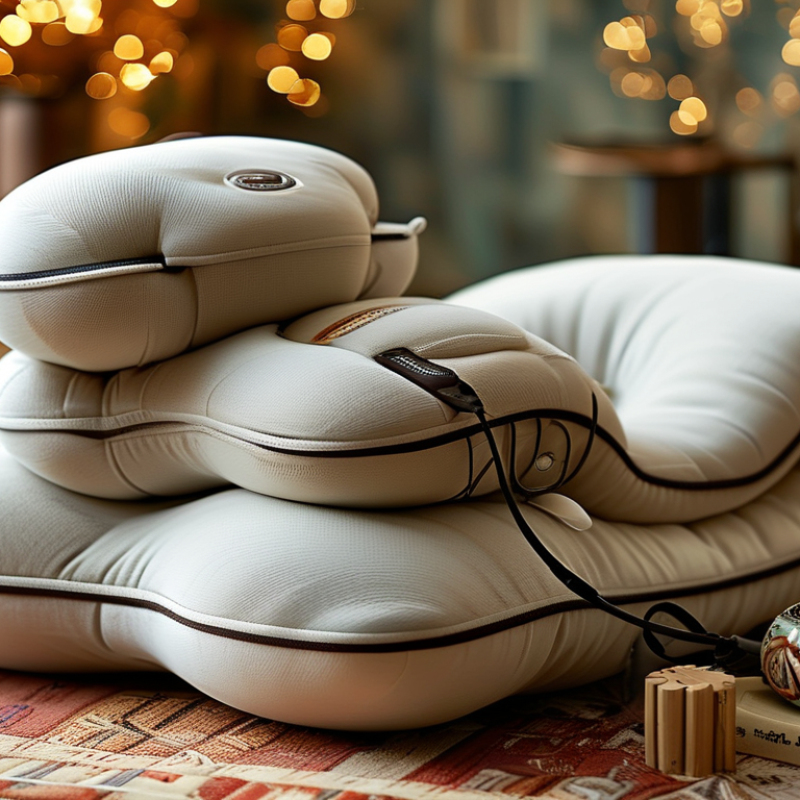
A pillow massager is a compact cushion-shaped device with rotating nodes, vibration motors, or both. It imitates kneading pressure around the neck, shoulders, back, or legs. Most models use small electric motors to move massage heads in circular patterns. Some add gentle heat to make stiff muscles feel more relaxed. The pressure should feel firm, not sharp. Stop if numbness, swelling, or unusual pain appears.
The World Health Organization reports that 619 million people experienced low back pain in 2020, with cases expected to reach 843 million by 2050. This helps explain growing interest in home massage equipment. Grand View Research estimated the global massage equipment market at about USD 6.9 billion in 2023. Yet market growth does not prove every pillow massager works equally well. Design matters. A useful device should offer stable rotation, washable fabric, clear controls, and automatic shutoff.
For global buyers, check voltage, plug compatibility, warranty coverage, and safety certifications before purchase. Heat settings should remain moderate, especially during long sessions. People with reduced sensation, circulation problems, recent injuries, or implanted medical devices should ask a qualified clinician first. A pillow massager may ease temporary muscle tension, but it cannot diagnose or treat serious pain. My practical concern is often overlooked: a device that feels pleasant for five minutes may become uncomfortable after twenty. Fit, pressure, and session length require personal testing.
| Evaluation Dimension | What It Means | Common Specifications or Options | Why It Matters to Global Buyers | Recommended Selection |
|---|---|---|---|---|
| Basic Working Principle | A pillow massager uses powered massage nodes or rollers to apply repeated pressure and kneading movements. | Rotating nodes, kneading heads, vibration motors, or a combination of these mechanisms. | The mechanism determines the intensity, massage sensation, noise level, and suitability for different body areas. | Choose rotating or kneading nodes for deeper massage and vibration for lighter stimulation. |
| Massage Areas | The areas that can be supported by the shape and positioning of the massage heads. | Neck, shoulders, upper back, lower back, waist, legs, calves, and feet. | A versatile design can serve more than one household user and may reduce the need for separate devices. | Select a contoured pillow shape for neck and shoulders; select a larger surface for back and leg use. |
| Massage Intensity | The strength and speed at which the massage mechanism operates. | Usually offered as low, medium, and high settings, depending on the model. | Different users have different comfort levels, and excessive pressure can cause discomfort. | A model with at least two or three intensity levels is more adaptable for shared use. |
| Heat Function | Gentle warming is combined with massage to provide a more relaxing experience. | Optional or integrated heat, commonly designed for localized warming rather than high-temperature heating. | Heat can improve comfort in cool climates, but temperature control and safety instructions are important. | Prefer independently controlled heat with automatic shutoff and clear temperature guidance. |
| Session Timer | An automatic control that stops the device after a preset operating period. | Fixed or selectable sessions, often around 10 to 20 minutes for consumer products. | A timer helps limit prolonged use and reduces the risk of falling asleep while the device is operating. | Choose a model with automatic shutoff and a clearly visible operating indicator. |
| Power Compatibility | The electrical input requirements and plug configuration needed for operation. | Single-voltage or dual-voltage adapters; plug types vary by destination market. | Electrical standards differ across regions, so incompatible voltage can create safety and usability problems. | For international distribution, select a dual-voltage design or provide the correct certified adapter for each market. |
| Portability | How easily the massager can be carried, stored, or used in different locations. | Compact cushion form, carrying handle, detachable cable, or rechargeable battery. | Portable products are useful for offices, travel, home use, and markets with limited storage space. | Choose a lightweight wired model for regular indoor use or a rechargeable model for mobility. |
| Noise Level | The sound produced by the motor, gears, and massage mechanism during operation. | Quiet operation is generally preferred for bedrooms, offices, and shared living spaces. | Lower noise improves comfort and makes the product more suitable for use around other people. | Review measured noise information where available and avoid relying only on the phrase “silent.” |
| Cover and Cleaning | The materials and maintenance features that affect hygiene and product life. | Breathable fabric, removable cover, hand-washable cover, or wipe-clean outer surface. | Easy cleaning is especially valuable for products used directly against skin by multiple users. | Select a removable, washable cover and follow the manufacturer’s care instructions. |
| Ergonomic Design | The shape, firmness, and node placement determine how comfortably the device fits the body. | Contoured cushion, adjustable strap, flexible positioning, and padded exterior. | A poor fit can place unwanted pressure on the neck or spine and reduce the effectiveness of the massage. | Choose a design that supports neutral posture and allows the user to control positioning. |
| Safety Features | Built-in controls and instructions designed to reduce operational risks. | Automatic shutoff, overheating protection, insulated housing, stable controls, and user instructions. | Safety requirements and consumer expectations vary between countries and regions. | Prioritize documented electrical, thermal, and consumer-product safety compliance for the target market. |
| Intended Use | The product is intended for temporary relaxation and massage, not for diagnosing or treating disease. | Home relaxation, desk breaks, post-activity comfort, travel, and general muscle relaxation. | Clear positioning helps prevent medical overclaims and supports responsible consumer use. | Use accurate descriptions and advise users with injuries or medical conditions to seek professional guidance. |
| Best Overall Profile | A balanced pillow massager combines effective massage, adjustable comfort, convenient operation, and suitable electrical safety. | Multi-area design, adjustable intensity, optional heat, automatic timer, washable cover, low noise, and market-compatible power input. | This combination provides broad usability across climates, household preferences, and international markets. | For most global buyers, prioritize versatility, safety, power compatibility, easy cleaning, and comfortable control over maximum intensity. |
Note: A pillow massager is a consumer relaxation device. Users should follow the operating instructions, avoid excessive pressure or prolonged sessions, and consult a qualified healthcare professional when experiencing pain, injury, pregnancy-related concerns, or other medical conditions.
: It is a cushion-shaped device with rotating nodes, vibration motors, or both. It usually targets the neck, shoulders, back, or legs. Some models include gentle heat.
Small electric motors move massage heads in circular patterns. The pressure should feel firm, never sharp. Stop when numbness, swelling, or unusual pain appears.
Adjustable vibration helps users who prefer light relaxation. Kneading nodes suit people who want stronger pressure. A timer, washable cover, quiet motor, and simple buttons may matter more than many modes.
Heat can make stiff shoulders feel more relaxed during cold evenings. It should feel warm, not burning. People with reduced heat sensitivity should ask a qualified clinician first.
Begin with a short session and check your comfort afterward. A pillow may feel pleasant for five minutes, then uncomfortable after twenty. I might have underestimated this difference.
Check voltage, plug compatibility, warranty coverage, and electrical safety documents. Look for automatic shutoff, temperature control, strong cables, and battery protection. “Portable” should not mean poorly protected.
People with reduced sensation, circulation problems, recent injuries, or implanted medical devices should ask a qualified clinician first. A pillow massager may ease temporary tension. It cannot diagnose serious pain.
Inspect stitching, button response, cover quality, and unusual gear noise. Ask for cycle-test methods instead of vague quality claims. Still, testing cannot predict careless handling completely.
A Pillow Massager is a compact wellness device designed to provide targeted kneading, vibration, heat, or pressure while supporting the neck, shoulders, back, or legs. The best model depends on the user’s needs: adjustable intensity and massage modes may suit regular users, while gentle settings, ergonomic shaping, and optional heat can improve comfort for people seeking relaxation. Buyers should also consider noise level, fabric softness, easy-to-clean materials, automatic shutoff, and stable construction for safe and convenient daily use.
Global buyers should compare product durability, motor performance, warranty support, and user-friendly controls rather than focusing only on price. They should verify the correct plug type, operating voltage, frequency, charging method, and whether the product includes suitable voltage protection for the destination market. Relevant safety and electromagnetic compatibility certifications should also be checked according to local requirements. By balancing massage functions, comfort, safety features, build quality, power compatibility, and after-sales support, buyers can select a Pillow Massager that matches their lifestyle and intended use.
