 Emicool
Emicool
Emicool
Choosing the right Massagers For Neck And Back in 2026 requires more than comparing prices and vibration levels. Modern devices may offer heat, percussion, compression, stretching modes, and app-based controls. Yet more features do not always mean better relief. Fit, pressure, safety, and daily comfort matter far more.
A practical evaluation should begin with the user’s pain pattern. A desk worker may prefer a gentle neck wrap for evening stiffness. An athlete might need controlled percussion for larger back muscles. Someone with sensitive skin may tolerate warmth poorly. Check adjustable intensity, washable covers, battery quality, noise, and clear instructions. Small details matter. A device that feels helpful for five minutes may become uncomfortable after twenty.
Reliable guidance also means recognizing limits. Consumer massagers can support relaxation and temporary muscle comfort, but they should not diagnose injuries or replace professional care. Avoid placing strong pressure directly on the spine, throat, joints, or areas with swelling. People with numbness, recent surgery, unexplained pain, circulation problems, or implanted medical devices should seek qualified medical advice before use. Manufacturer claims deserve careful questioning. I have learned that “deep relief” sounds impressive, but comfort and controlled use are better measures. Results can vary, and some choices may need reconsideration after real testing. This guide examines the evidence, design features, and everyday experiences that can help you choose more confidently. Start gently. Listen to your body.
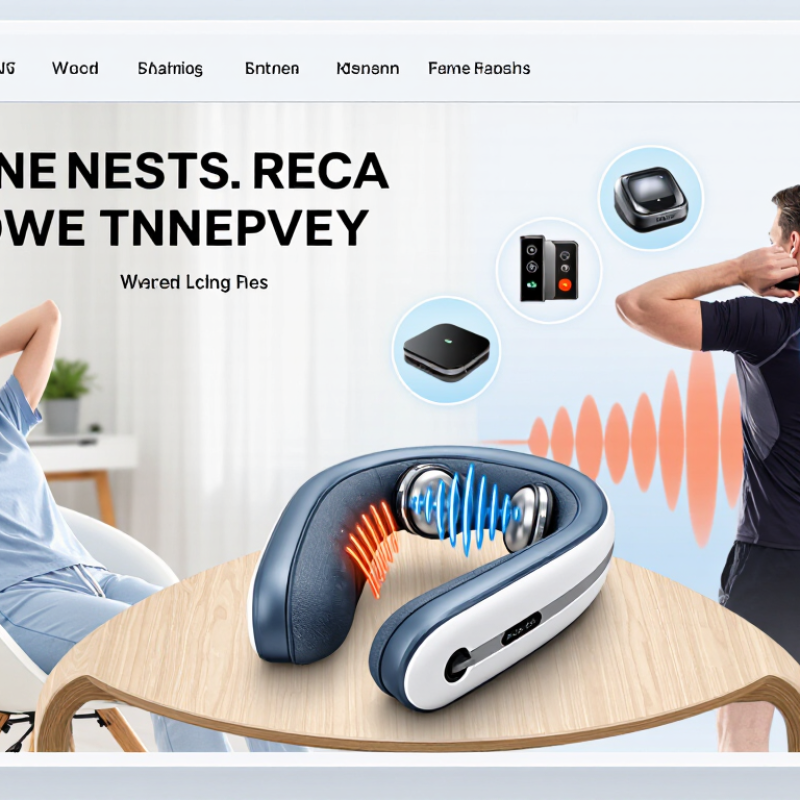
How to Choose Massagers for Neck and Back in 2026?
Neck and back massagers do not perform the same job. A percussion massager uses rapid pulses to target larger back muscles. It can feel useful after lifting, but high intensity may irritate tender areas. A kneading device imitates circular pressure with rotating heads. This suits people who prefer a slower, hands-on sensation. Shiatsu-style models often work well around the shoulders, though fixed nodes may miss smaller muscles.
Heat adds comfort, not a cure. Warmth can relax stiff muscles before gentle movement. However, excessive heat may dull warning pain and encourage overuse. I usually test the lowest setting for ten minutes. That habit feels cautious, perhaps overly cautious, but skin redness provides useful feedback. Vibration cushions offer broader, lighter stimulation. They may suit desk workers who dislike strong pressure.
Choose by body area, pressure tolerance, and control. For the neck, select adjustable intensity and a shape that avoids direct throat pressure. For the back, a longer handle or flexible cushion can improve reach. Avoid placing percussion heads over the spine, joints, broken skin, or numb areas. People with recent injuries, nerve symptoms, circulation problems, or pregnancy should seek professional advice before use. Stop if pain spreads, weakness appears, or dizziness occurs. A timer, washable cover, and clear instructions matter more than extra modes. More features can become noise.
| Massager Type | Main Function | Best For | Typical Intensity | Coverage | Portability | Key Considerations |
|---|---|---|---|---|---|---|
| Shiatsu Kneading Massager | Rotating massage nodes knead muscles in a circular motion to imitate pressure from fingers or thumbs. | Tight upper back, shoulders, and larger muscle areas. | Medium to high; pressure can feel strong on sensitive areas. | Neck, shoulders, upper back, lower back, and sometimes legs. | Moderate; commonly designed as a cushion or wrap. | Choose adjustable speed and a comfortable node shape; avoid placing direct pressure on the front or sides of the neck. |
| Percussion Massager | Delivers rapid, repeated pulses to soft tissue through a handheld attachment. | Large back muscles, post-exercise muscle stiffness, and localized tension. | Low to very high, depending on speed, amplitude, and attachment. | Primarily the back and shoulders; difficult to position safely on the neck without assistance. | High; usually cordless and handheld. | Use light pressure and keep moving over muscle; do not use over the spine, joints, bones, open wounds, or the front of the neck. |
| Vibration Massager | Produces rapid oscillations that may help relax superficial muscles and provide a soothing sensation. | Mild muscle tension, relaxation, and frequent short sessions. | Low to medium; generally gentler than percussion devices. | Localized areas or broad contact surfaces, depending on the design. | High to moderate. | A suitable choice for users who prefer gentler stimulation; check vibration levels and operating noise. |
| Heat Massager | Combines massage with controlled warmth to promote comfort and temporary muscle relaxation. | Muscle stiffness and users who find warmth soothing. | Varies according to the built-in massage mechanism; heat is usually mild to moderate. | Often the neck, shoulders, or lower back. | Moderate; many models require a power outlet. | Look for temperature control and automatic shutoff; avoid heat on areas with reduced sensation or acute swelling. |
| Neck Wrap or U-Shaped Massager | Supports the neck and applies vibration, kneading, compression, or warmth around the shoulder area. | Office-related neck and shoulder tension with hands-free use. | Low to medium; usually intended for controlled, localized use. | Neck base, trapezius muscles, and upper shoulders. | High to moderate, depending on battery and weight. | Fit is important; the device should not compress the throat, restrict breathing, or force the head forward. |
| Massage Cushion | Provides structured massage over a chair or seat, often using rolling, kneading, vibration, or heat. | Whole-back sessions during seated relaxation or desk breaks. | Medium; settings may be available for different body zones. | Upper back, mid-back, lower back, and sometimes neck. | Low to moderate; best suited for home or office use. | Check chair compatibility, body height range, massage-track position, and whether the neck section aligns comfortably. |
| Air-Compression Massager | Inflatable chambers apply rhythmic pressure around selected areas. | Gentle relaxation and users who prefer pressure rather than kneading. | Low to medium; pressure is usually adjustable. | Shoulders, upper back, or lower back, depending on the design. | Moderate. | Select the correct size and pressure range; discontinue use if numbness, pain, or circulation changes occur. |
| Manual Massage Ball or Roller | Uses body weight or hand pressure to target tight muscle areas and trigger points. | Localized back tension, mobility routines, and low-cost self-care. | User-controlled; can be gentle or firm. | Back muscles and shoulder-blade region; limited for direct neck use. | Very high. | Avoid rolling directly over the spine, joints, or front of the neck; control pressure carefully. |
Start with fit, not appearance. A compact model suits an office chair. A larger cushion may work better at home. Check contact area, firmness, and heat coverage. Comfort matters more than impressive specifications.
Begin with the lowest setting. Keep the first session short. Increase pressure gradually, if comfortable. Stop after numbness, bruising, or continuing pain appears. Stronger is not always better.
Usually, the neck needs gentler kneading. Back muscles may tolerate firmer pressure. Sharp percussion can feel unpleasant around the neck. Your response matters more than a preset label.
Look for light weight and a rechargeable battery. It should move easily from a desk chair to a bedroom. Small devices may slip or feel unstable. I sometimes underestimate stability when comparing measurements.
Yes. Heat should feel warm, never hot. Automatic shutoff limits forgotten sessions. After fifteen minutes, check the housing with your hand. Stop using it if the surface becomes uncomfortable.
Wipe contact surfaces with a lightly damp cloth. Dry them completely. Never immerse a powered unit. Inspect cords, charging ports, stitching, and rotating heads regularly. A burnt smell means stop immediately.
They can provide timers, presets, and usage reminders. Physical buttons should still allow quick stopping. Check data permissions before connecting an app. App readings are prompts, not medical evidence.
Ask a qualified clinician before use if you have circulation problems, implanted devices, or injuries. Do not rely on massage for persistent pain. Seek advice when pain spreads into your arms or legs. I may prefer simple relief, but ignoring symptoms is a poor trade.
Choosing the right Massagers For Neck And Back in 2026 begins with understanding how different designs work, including percussion, vibration, heat, kneading, and air-compression models. Consider whether your main concern is neck tension, shoulder stiffness, lower-back discomfort, muscle fatigue, or general relaxation. Your pain location, preferred pressure, daily routine, and any health considerations should guide the decision. If discomfort is severe, persistent, or linked to an injury, professional medical advice should come first.
When comparing options, examine intensity levels, adjustable settings, ergonomic shape, portability, battery performance, and smart controls. Neck-focused models should support the cervical area without excessive pressure, while back massagers should cover the lumbar and upper-back regions comfortably. Also check cleaning instructions, material quality, overheating protection, and general safety features. In 2026, useful technology trends may include personalized massage programs, sensor-based pressure adjustment, quieter operation, and app-free intuitive controls. The best choice is a safe, comfortable, easy-to-maintain device that matches your body, lifestyle, and specific massage needs.
