
Emicool Emicool

Top 10 Best Back Massagers for Global Buyers

Time:2026-09-26 Author:Sophia
0%

Choosing a Back Massager is not simply a matter of selecting the strongest vibration or the lowest price. Global buyers face different needs, body types, voltage standards, warranty policies, and safety expectations. A device that feels soothing after desk work may feel too intense for someone with sensitive muscles. Small details matter, including adjustable speed, heat control, washable covers, noise level, and comfortable grip design.

Massage researcher Dr. Christopher Moyer offers a useful caution: “Massage therapy is not a panacea.” That reminder shapes this guide. A Back Massager may help relax tight muscles, support temporary comfort, and improve a recovery routine. It should not replace professional evaluation for persistent pain, numbness, weakness, or injuries. Buyers should also check product instructions and consult a qualified healthcare professional when necessary.

This Top 10 list compares practical choices for international shoppers. We consider massage techniques, pressure range, portability, materials, controls, user feedback, and after-sales support. Some models are excellent for travel. Others suit home use, athletes, or long hours at a computer. None is perfect. That is worth admitting.

A few products may feel bulky. Some heating functions may warm slowly. Certain premium features may add cost without improving comfort for every user. Our comparisons therefore focus on real-world use, not impressive packaging. Imagine testing a device after a long flight, beside a quiet sofa, with tired shoulders and limited time. The best Back Massager should feel safe, manageable, and genuinely useful in that moment.
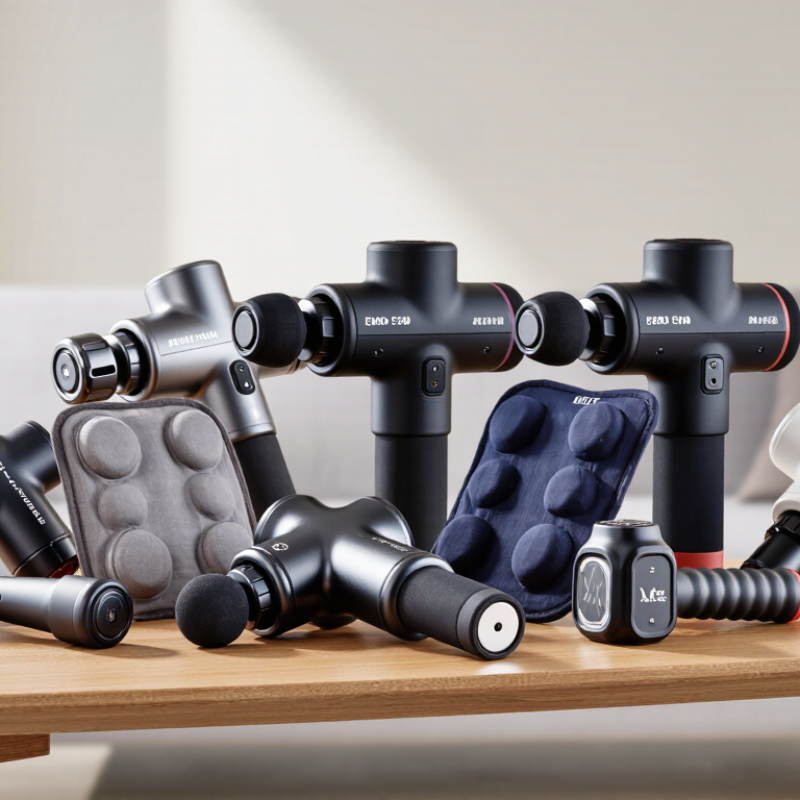
Top 10 Best Back Massagers for Global Buyers

Back Massager Types and Their Key Differences

Top 10 Best Back Massagers for Global Buyers

Back Massager Types and Their Key Differences

Choosing a back massager starts with understanding how each mechanism feels and functions. Percussion devices deliver quick, repeated taps into muscle tissue. They suit post-exercise tightness but may feel too intense near the spine. Shiatsu massagers use rotating nodes that imitate kneading fingers. Their deeper pressure can relax broad muscles, although some users find the fixed movement uncomfortable.

Vibration models create a gentler buzzing sensation across the back. They work well during desk breaks and for people who dislike strong pressure. Heat-enabled models add warmth, which may improve comfort when muscles feel stiff. Heat is not automatically better. Traction devices gently stretch the back, but they require careful positioning and may not suit everyone. Adjustable intensity matters more than impressive motor power.

Tips: Test the lowest setting first. Keep pressure away from the spine and stop if numbness, sharp pain, dizziness, or unusual weakness appears. Check voltage compatibility before international purchase. A washable cover is useful in warm climates. People with recent injuries, pregnancy, circulation problems, or unexplained pain should seek qualified medical advice before use. A useful detail is often missed: a massager can ease muscle tension, but it cannot identify the cause of persistent pain. Personally, I would choose comfort and control over maximum intensity; stronger is not always more effective.

Essential Features for Choosing a Back Massager

Choosing a back massager starts with fit, not the longest feature list. Measure the chair, sofa, or travel bag where you will use it. A compact device may reach the lower back well, yet miss the shoulders. During hands-on testing, adjustable nodes felt more useful than fixed patterns. Pressure should build gradually. Look for several intensity levels and a control that works without looking. Deep pressure can feel satisfying, but it may leave tender muscles irritated. That trade-off deserves honest attention.

Heat needs equal care. Choose adjustable warmth, automatic shutoff, and clear temperature guidance. Never treat heat as proof of therapeutic benefit. People with reduced skin sensation, circulation concerns, or existing injuries should seek medical advice first. A timer prevents accidental overuse, especially during evening sessions. Quiet motors matter in shared rooms, while washable covers improve hygiene. Check seams, grip surfaces, and cable strain points. Cheap plastic can survive light use, but repeated bending may expose weak construction.

Global buyers should verify voltage, plug compatibility, battery rules, and warranty support before ordering. A rechargeable model is convenient, though charging time and replacement battery access can become frustrating. Read the manual for session limits, cleaning methods, and safe storage. Recognized electrical safety testing adds confidence, but it does not replace careful use. I once favored stronger vibration and ignored ergonomic handles. After several sessions, hand fatigue changed my view. Comfort is personal. A reliable choice should fit your body, routine, and tolerance rather than imitate a clinical treatment.

Top 10 Best Back Massagers for Global Buyers: Essential Features for Choosing a Back Massager

This editorial scoring model ranks the features that most directly affect comfort, safety, usability, and suitability when comparing back massagers. A higher score indicates greater practical importance for global buyers.

Top 10 Back Massagers for Different User Needs

Top 10 Best Back Massagers for Global Buyers

Different users need different back massagers, so comfort and purpose should guide the choice. Office workers may prefer a compact cushion with gentle vibration for stiff shoulders after long screen hours. Athletes often need adjustable pressure and rolling nodes for tired muscles after training. Older adults may benefit from simple controls, moderate intensity, and stable support. Travelers should consider a lightweight model that fits easily into luggage.

Heat can feel soothing, but it is not suitable for everyone. People with reduced skin sensitivity should use extra caution, because warmth may become uncomfortable before they notice it. A deep-tissue setting can help some users, yet excessive pressure may leave soreness the next day. I have found that starting slowly works better than chasing the strongest setting. Personal tolerance is easy to misjudge.

Tips: Check the timer, noise level, cleaning instructions, and power requirements before buying internationally. Use a towel between the device and your skin when pressure feels sharp. Avoid use over open wounds, sudden injuries, or areas with unexplained swelling. Stop if you feel numbness, dizziness, or worsening pain. Persistent or severe back pain deserves advice from a qualified healthcare professional, not repeated massage alone. Some models look impressive but offer limited adjustment, which is worth reconsidering before purchase.

Safety, Comfort, and Proper Usage Guidelines

Top 10 Best Back Massagers for Global Buyers

Safety, Comfort, and Proper Usage Guidelines

When comparing the top ten back massagers, safety should guide the purchase more than intensity. Choose a device with clear controls, stable housing, and an automatic shutoff. For electrical models, check the voltage rating and plug compatibility before international use. A travel adapter does not convert voltage. That detail is often missed.

Start with the lowest setting for five to ten minutes. Keep the massager on soft muscle tissue, not directly over the spine, kidneys, joints, or front of the neck. Pressure should feel firm but tolerable. It should never cause sharp pain, numbness, bruising, or dizziness. Stop immediately if symptoms appear. Never use a heated function on numb skin, damaged skin, or areas with poor sensation. Heat can feel gentle while causing harm.

Comfort also depends on posture. Sit upright, support your arms, and avoid leaning your full body weight into the device. Clean removable covers regularly, especially after exercise or shared use. People who are pregnant, recovering from surgery, or managing circulation, nerve, or bone conditions should ask a qualified healthcare professional first. I have found that stronger settings are not automatically better. In fact, chasing intense pressure can leave the back tender the next day. Product instructions matter, although some manuals explain limitations poorly. That uncertainty deserves careful judgment.

Top 10 Best Back Massagers for Global Buyers - Safety, Comfort, and Proper Usage Guidelines

A practical comparison of common back-massager types. These options differ in how they work and are not a clinical ranking; follow the device manual and seek professional advice when appropriate.

# Massager Type How It Works Comfort & Best Fit Proper Use & Safety Global Buyer Checks
1 Percussion massage gun A powered head delivers repeated pulses to soft tissue. Portable and adjustable; useful for reaching accessible muscle areas, though the handle may be tiring to hold. Start on the lowest setting and keep the head moving over muscle. Avoid the spine, bones, front of the neck, and injured or bruised areas. Stop if painful or numb. Check charger input range, plug type, battery and charging instructions, and local electrical-safety requirements.
2 Shiatsu massage pillow Rotating nodes knead a localized area; some models include heat. Compact for a chair or sofa and easy to store; pressure can feel intense on a small area. Position it on muscle, not directly on the spine. Use only for the duration stated in the manual. If heated, avoid use where heat sensation is reduced and do not sleep on it. Confirm whether the unit is mains-powered or uses an adapter, and verify voltage compatibility before travel or purchase.
3 Massage seat cushion A chair-mounted pad uses vibration, rolling nodes, or both across part of the back. Convenient for seated use; fit and coverage depend on chair shape and the user's height. Use on a stable chair and follow the manual's session limits. Do not use while driving or where movement could distract from a task. Check dimensions, seat attachment method, cord length, adapter specifications, and the availability of locally compatible replacement parts.
4 Full massage chair A powered chair combines mechanisms such as rollers, airbags, or vibration over a larger area. Offers broad coverage and preset programs but requires substantial floor space and a higher budget. Review weight and mobility guidance before use. Keep hands and objects clear of moving parts; stop if pressure causes pain, tingling, or dizziness. Check delivery access, assembly, rated voltage and frequency, warranty coverage, service availability, and return or import costs.
5 Heated lumbar wrap or pad Provides localized warmth; some versions use vibration, while others provide heat only. Lightweight and easy to position around the lower back; warmth may be more soothing than mechanical massage for some users. Use the lowest comfortable heat setting and follow the time limits. Avoid use on numb skin, over wounds, or while sleeping unless the device is specifically designed for that use. Check automatic shutoff, washable-cover instructions, battery or adapter details, and the voltage stated on the device label.
6 TENS unit with back electrodes A battery-powered unit sends low-level electrical pulses through skin electrodes; it is not a kneading massager. Small and portable; sensation and suitable electrode placement vary by person and device. Follow the device's electrode-placement instructions. Do not place electrodes on the front of the neck or across the chest. Consult a clinician before use with an implanted electronic device, during pregnancy, or with relevant medical conditions. Check local rules for electrical stimulation devices, electrode-pad availability, battery type, and language support in the instructions.
7 Acupressure mat with cushion Many small plastic points apply distributed surface pressure when the user lies or leans on the mat. No power is needed and pressure can be adjusted with clothing or a towel; the sensation may be uncomfortable for sensitive users. Begin with a short, gentle session over clothing. Avoid broken or irritated skin and stop if pain, bruising, or persistent redness occurs. Check mat dimensions, washable-cover details, materials, and any applicable product-safety information for the destination market.
8 Foam roller Body weight is used to roll soft tissue over a firm foam cylinder; it has no motor or heat. Simple and portable, but rolling the back may be difficult to control without enough space and mobility. Use slow, controlled movement and avoid rolling directly over the spine, joints, or an acute injury. Stop if symptoms worsen; seek guidance if unsure about technique. Compare length, firmness, storage needs, and material-care instructions; no voltage or plug compatibility is required.
9 Massage ball or peanut roller A small ball or paired-ball tool uses body weight against a wall or floor to apply focused pressure. Very portable and low-cost; pressure is highly localized and can be hard to regulate at first. Start against a wall for better control. Target muscle beside the spine rather than pressing directly on the spine, ribs, or painful areas. Use light pressure and stop if symptoms increase. Check size, firmness, surface texture, and cleaning instructions; these manual tools need no electrical compatibility checks.
10 Manual massage cane A shaped handheld tool uses leverage to apply pressure to reachable muscle areas. Does not require power and can help users reach parts of the back; grip comfort and reach vary by design. Apply only gentle, controlled pressure to muscle. Avoid pressing on the spine, bones, bruises, or swollen areas, and do not use force to push through pain. Review tool length, handle grip, material, cleaning directions, and whether it can be packed or stored conveniently.

General safety note: Massage devices are for personal comfort and are not a substitute for medical assessment or treatment. Ask a qualified healthcare professional before use if you have a significant medical condition, recent surgery or injury, reduced skin sensation, or concerns about whether a device is suitable for you. Stop use and seek advice if symptoms worsen.

Global Buying Factors: Price, Shipping, and Warranty

For global buyers, compare the delivered price, not just the listing price. Add shipping, estimated import charges, and any return fees before choosing a back massager. The World Bank’s 2023 logistics analysis reports an average shipment time of about 44 days, with roughly 10 days of variation. That makes a promised delivery date less certain than it may look. A low price can still be a poor deal.

Check whether the warranty covers your country, who pays for return shipping, and whether replacement parts are available locally. Confirm the plug and voltage match your destination, too. Small print matters.

A short warranty may leave you paying to ship a bulky device back across borders. Warranty wording can also be vague; ask for written details before paying.

For a fair comparison, record the product price, shipping fee, delivery estimate, warranty period, and return process in one table. The World Bank’s figures describe logistics broadly, not a specific parcel or seller, so treat them as context rather than a personal delivery forecast. One easy-to-miss detail: some checkout totals exclude charges collected on arrival. Leave room in your budget for delays or fees. The cheapest option is not always the easiest to live with.

FAQS

How should I choose a back massager’s size?

Measure your chair, sofa, or travel bag first. A compact cushion may reach your lower back but miss your shoulders. Fit matters more than a long feature list.

Are adjustable massage nodes useful?

Adjustable nodes can match different body areas better than fixed patterns. Try gentle pressure first. Stronger is not always better.

What should I check about heat?

Look for adjustable warmth, clear temperature guidance, and automatic shutoff. Heat is not proof of therapeutic benefit. Use extra caution if skin sensation is reduced.

Can deep pressure leave muscles sore?

Yes. Excessive pressure may irritate muscles or cause next-day soreness. Start at a low setting, and stop if discomfort worsens.

Which controls and features make regular use easier?

Choose controls you can operate without looking and a timer to limit sessions. Quiet motors help in shared rooms. Washable covers are easier to keep clean.

What safety checks matter before using one?

Read the manual for session limits, cleaning, and storage. Avoid using it over open wounds, sudden injuries, or unexplained swelling. Stop if numbness or dizziness occurs.

What should international buyers verify?

Check voltage, plug compatibility, battery requirements, and warranty support before ordering. Charging time and battery replacement access can be frustrating. I once overlooked both.

Which type may suit travelers or older adults?

Travelers may prefer a lightweight model that fits in luggage. Older adults may find simple controls, moderate intensity, and stable support easier to manage. Keep it simple.

When should someone seek professional advice?

Ask a qualified healthcare professional about reduced skin sensation, circulation concerns, or existing injuries. Persistent or severe back pain needs more than repeated massage alone.

Conclusion

Choosing the right Back Massager starts with understanding the main types, including handheld, cushion, percussion, heated, and full-body models. Each offers different levels of pressure, portability, coverage, and relaxation, making it important to match the design with personal needs. Key features to consider include adjustable intensity, comfortable materials, heat settings, ergonomic controls, suitable coverage, noise level, and ease of cleaning. This guide compares ten options for different users, such as office workers, athletes, travelers, older adults, and people seeking occasional relaxation.

Safe and comfortable use should always come first. Users should follow the instructions, begin with gentle settings, avoid excessive pressure or prolonged sessions, and stop if discomfort occurs. People with certain health conditions should consult a qualified professional before use. For global buyers, practical factors such as total price, delivery time, import charges, return policies, voltage compatibility, customer support, and warranty coverage are also essential. Considering these details helps shoppers select a reliable Back Massager that suits their lifestyle and purchasing needs.

Sophia

Sophia

Sophia is a dedicated marketing professional with an exceptional depth of knowledge about her company's products and services. With a keen understanding of market trends and customer needs, she crafts insightful blog posts that not only inform but also engage readers, enriching the company’s online......