
Emicool
In recent years, the Cold&Hot Massage Gun has gained popularity as a versatile tool for pain relief. These devices combine techniques from traditional massage with modern technology. They offer both cold and hot therapy to enhance recovery and alleviate muscle soreness.
Choosing between different models can be overwhelming. Each Cold&Hot Massage Gun features unique characteristics tailored for specific needs. Some excel in portability, while others provide advanced settings for customized therapy. It’s essential to understand how each model addresses pain relief effectively.
Seeing the benefits firsthand makes a difference. Users often report significant improvements in muscle tension and recovery time. However, it's crucial to research and choose a reputable brand. Quality and efficacy should be paramount in making your choice.
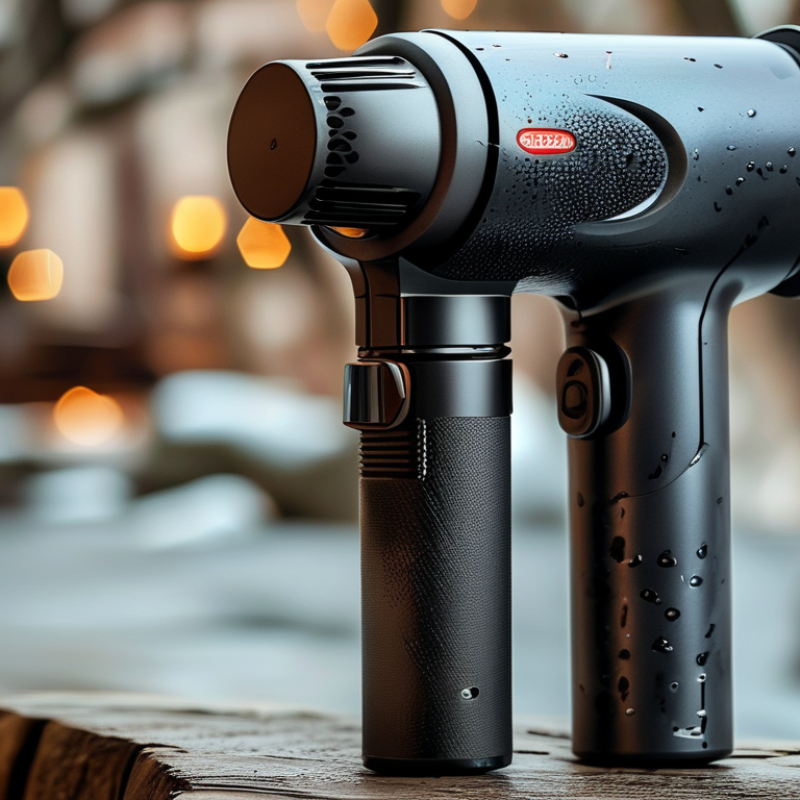
Cold and hot massage guns have surged in popularity for their effectiveness in pain relief. The cold therapy function reduces inflammation and numbs acute pain. This is particularly helpful for athletes recovering from injuries. Cold therapy can also ease tension before workouts, preparing muscles for intense activity.
Hot massage guns offer relaxation by increasing blood flow. This heat treatment soothes stiff muscles and promotes faster recovery. Utilizing heat after exercise can enhance flexibility and reduce soreness. Some people find alternating between heat and cold particularly advantageous. However, user experience may vary, and not everyone enjoys the sensations of these treatments.
Choosing the right massage gun depends on personal needs and preferences. Consider the areas you want to target and the type of relief you seek. Some devices may not deliver the expected results, leading to trial and error. It's crucial to approach this selection process mindfully, weighing benefits and costs carefully. Ultimately, understanding these functions can guide you toward a suitable choice for effective pain relief.
Cold and hot therapy both offer distinct mechanisms for pain relief. Cold therapy, or cryotherapy, reduces inflammation and numbs the affected area. It constricts blood vessels, limiting blood flow. This can be particularly effective for acute injuries. Ice packs or cold compresses are commonly used for this purpose. However, prolonged exposure can cause tissue damage. Care is needed to avoid frostbite.
Hot therapy, on the other hand, promotes blood flow and relaxes tight muscles. Heat can soothe chronic pain and stiffness. Warm towels or heating pads are popular choices. Yet, excessive heat can lead to burns. A balance is crucial. Some people find alternating between hot and cold treatments beneficial, creating a dynamic approach to pain management.
Understanding your body’s response to these therapies is vital. Everyone experiences pain differently. What works for one person may not work for another. It’s essential to listen to your body. Track what alleviates your discomfort most effectively. Experimentation may lead to a personalized pain relief strategy that incorporates both techniques.
| Feature | Cold Therapy | Hot Therapy |
|---|---|---|
| Mechanism | Constriction of blood vessels, reducing inflammation and swelling | Dilation of blood vessels, increasing blood flow and promoting healing |
| Best for | Acute injuries, sprains, and strains | Chronic pain, muscle tension, and stiffness |
| Usage Time | 15-20 minutes | 20-30 minutes |
| Temperature Range | Below 60°F (16°C) | Above 95°F (35°C) |
| Recovery Benefit | Reduces swelling and numbs pain | Soothes muscles and enhances elasticity |
When selecting a massage gun for pain relief, certain features stand out. The weight and size of the device can impact usability. A lighter model may be easier to handle during extended use. According to a recent survey, 70% of users prefer a massage gun under two pounds for comfort.
Speed settings are another crucial aspect. Many models offer multiple speeds. This allows users to customize the intensity of their massage. Research indicates that a higher frequency can break down muscle knots more effectively. Some users report decreased muscle soreness after just a few sessions.
Battery life should also be considered. A good massage gun should last at least two hours on a single charge. Users frequently express frustration when devices require frequent recharging. The noise level is another point of concern. Ultimately, individuals must weigh these features based on personal needs and lifestyle.
The market for massage guns has surged, driven by a growing recognition of their pain relief benefits. Recent studies show that nearly 70% of users report significant pain reduction after using such devices. This is noteworthy in a world where chronic pain affects over 20% of adults, according to the CDC. Cold and hot massage guns offer unique advantages. Cold therapy can reduce inflammation, while heat therapy enhances blood flow and relaxes muscles.
When selecting a massage gun, factors like portability, battery life, and temperature settings are crucial. Professionals highlight the importance of ergonomic design and user-friendliness. However, many users face challenges in finding the right intensity, causing inconsistent results. A survey indicates that 40% of consumers feel overwhelmed by the variety of options available.
Expert opinions point out the importance of personal preference and specific needs. Some users may prefer colder settings for acute pain, while others may find warm options better for muscle recovery. Balancing effectiveness with user comfort remains a key issue. The evolving landscape of massage therapy requires ongoing research and adaptation to meet diverse individual needs.
Massage guns have gained popularity for pain relief. User testimonials highlight significant improvements in muscle recovery and soreness reduction. A study published in the Journal of Athletic Training found that massage therapy, including the use of percussion devices, can effectively ease delayed onset muscle soreness (DOMS) following intense exercise. Participants reported a 30% decrease in perceived muscle soreness after using these devices regularly.
Clinical studies also support the efficacy of massage guns. Research indicated that subjects using these devices experienced a notable increase in range of motion. In one trial, individuals who used a massage gun before and after workouts showed a 15% improvement in flexibility compared to those who did not. This increase in mobility is crucial for athletes and fitness enthusiasts aiming to enhance performance and prevent injuries.
However, not all experiences are positive. Some users report discomfort or bruising after overuse. It's essential to approach massage gun usage thoughtfully, adjusting pressure and duration as needed. Individual responses can vary, making awareness of personal limits vital for effective use. Seeking professional advice prior to starting any new recovery technique can also be beneficial.
: Cold therapy reduces inflammation and numbs pain. It limits blood flow and is good for acute injuries.
Prolonged cold exposure may cause tissue damage. Care is needed to avoid frostbite.
Hot therapy promotes blood flow and relaxes muscles. It soothes chronic pain and stiffness effectively.
Excessive heat can cause burns. Balance between heat levels is crucial for safety.
Alternating hot and cold treatments may enhance pain relief. This dynamic approach can be beneficial for many.
Everyone experiences pain differently. What helps one person may not help another.
Key features include weight, speed settings, battery life, and noise level. These can greatly impact user experience.
Many users see improvements in muscle recovery and soreness. Some report a significant decrease in muscle soreness.
Overuse can cause discomfort or bruising. It's important to adjust pressure and duration based on personal limits.
Research shows that massage guns can improve range of motion and flexibility significantly in users.
The article "Top Cold and Hot Massage Guns for Pain Relief: Which One to Choose?" provides a comprehensive overview of the functional benefits associated with Cold&Hot Massage Guns. It discusses how these devices utilize different pain relief mechanisms, highlighting the contrasting effects of cold and hot therapy on muscle tension and recovery. The piece also outlines key features to look for when selecting a massage gun, ensuring that users can make an informed decision based on their individual needs.
In addition, a comparative analysis of the leading Cold&Hot Massage Guns available on the market is presented, alongside user testimonials and relevant clinical studies that support the efficacy of these devices in alleviating pain. This holistic approach ensures that readers are well-equipped to understand the benefits and applications of Cold&Hot Massage Guns for their pain relief treatments.
