
Emicool
Choosing a Gym Body Massage option in 2026 means matching the device or service to real training habits, not chasing the longest feature list. A runner with tight calves may value targeted pressure, while a weightlifter may prefer broader coverage after demanding sessions. Needs differ.
This guide compares popular massage types, including percussion devices, massage chairs, foam rollers, and hands-on sports massage. Each offers a different balance of pressure, portability, setup time, and cost. A compact percussion massager can fit beside a gym bag, but its attachments and noise level matter. A chair offers a hands-free session, though it needs space and a larger budget. Simple details count.
Buyers should also check adjustable intensity, clear operating instructions, warranty terms, and accessible customer support. These details are easier to assess than sweeping recovery promises. Massage may help some people feel more comfortable after exercise, but it does not replace rest, sound training, or professional care for persistent pain. That distinction matters.
The best choice is rarely the most powerful one. It is the option a person can use comfortably and consistently. Even so, specifications cannot tell the whole story; comfort is personal, and product descriptions may leave useful questions unanswered. This outline helps buyers compare practical differences, spot trade-offs, and choose with realistic expectations.
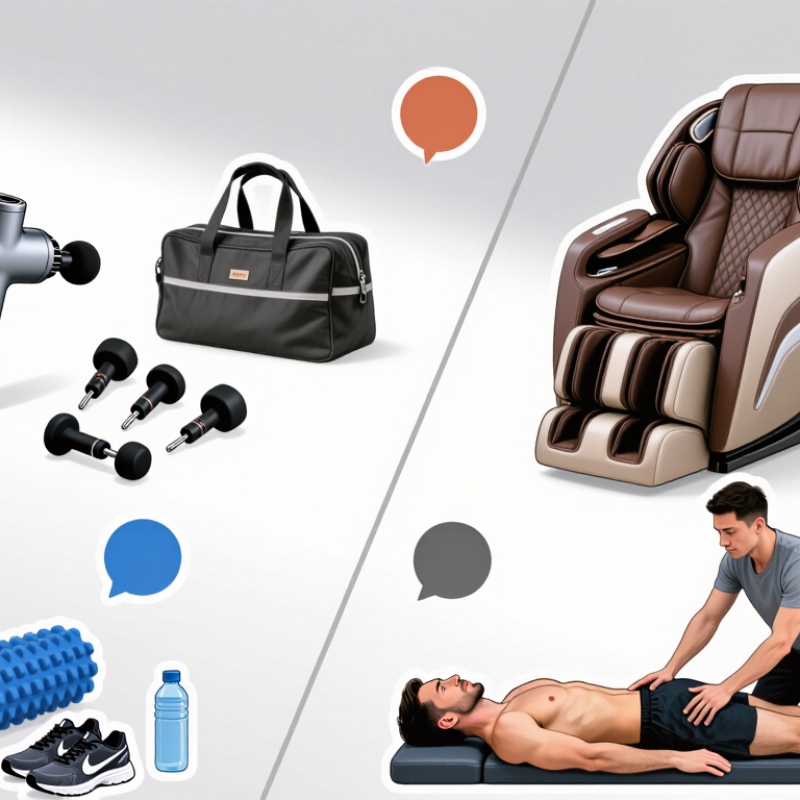
Gym body massage works best as a recovery aid, not a replacement for training, sleep, or careful load management. Before a session, brief, lighter massage may help an athlete feel more prepared and notice tight areas. After demanding work, a slower Swedish-style or sports massage can ease perceived soreness and encourage relaxation. Pressure should feel manageable; sharp pain is a reason to stop, not push through.
Evidence is useful, but not absolute. A 2020 systematic review and meta-analysis in Frontiers in Physiology examined 29 studies and found massage reduced delayed-onset muscle soreness and improved flexibility. It did not show reliable improvements in strength, sprinting, or endurance. That distinction matters when choosing a service: feeling looser is not the same as recovering full performance.
Not a shortcut. A practical routine might pair gentle post-training massage with water, food, and a rest day when needed. A therapist should ask about injuries, training intensity, and pressure preferences before starting. Results vary, and research methods differ; massage may support recovery, but it cannot guarantee faster progress.
Top Gym Body Massage Types for Buyers in 2026
Swedish massage uses flowing, lighter strokes to ease general tension after a week of training. Sports massage often targets working muscles with firmer pressure, such as tight calves after hill runs. Trigger-point work focuses on specific tender spots; percussion devices deliver rapid pressure over larger muscle areas. They are not interchangeable. Match the method to your goal, comfort, and the practitioner’s training.
Evidence helps set realistic expectations. A 2018 meta-analysis in Frontiers in Physiology found massage reduced delayed-onset muscle soreness by about 13% and improved flexibility. It did not improve strength, jumping, sprinting, or endurance. That matters. Less soreness may feel useful, but it does not prove faster recovery or better performance. For a first session, ask the therapist to explain pressure, check in during treatment, and adjust if pain feels sharp or unpleasant. A common mistake is choosing the deepest massage because training feels intense. More pressure is not automatically better. Note how your body feels the next day, too; responses differ, and that detail can guide your next choice.
| Massage type | Typical approach | May suit gym-goers seeking | What to expect | Buyer considerations |
|---|---|---|---|---|
| Sports massage | A session tailored to training habits and the areas the client wants addressed; techniques and pressure vary. | Targeted hands-on work around training, general muscle tension, or post-exercise comfort. | The therapist may adjust the session to the client’s activity and feedback. It is not a substitute for injury diagnosis or treatment. | Ask about practitioner training, pressure options, and whether the session is adapted to your goals. |
| Swedish massage | Typically uses flowing strokes, kneading, and other light-to-firm techniques over larger areas. | Relaxation and a less targeted, full-body massage experience. | Pressure is usually adjustable. A relaxing session may help with perceived tension, but it does not guarantee faster muscle repair. | A practical option for first-time clients; confirm the session length, areas covered, and pressure before booking. |
| Deep-tissue massage | Uses slower strokes and sustained pressure focused on deeper layers of muscle and connective tissue. | People who prefer firmer, focused work on areas of persistent muscle tension. | It can feel intense, and temporary tenderness may occur. More pressure is not automatically more effective. | Choose a practitioner who checks in regularly and can reduce pressure. Avoid working through sharp or unusual pain. |
| Trigger-point massage | Applies focused pressure to sensitive points in muscle, often with brief holds and client feedback. | A localized area of muscle tenderness or tension that is appropriate for massage. | Pressure should remain tolerable and be adjusted if symptoms worsen. Results and comfort vary between individuals. | Useful to discuss a specific area with a qualified practitioner; persistent, spreading, or unexplained pain needs clinical assessment. |
| Myofascial release | Uses sustained, generally gentle pressure and stretching directed at connective tissues and surrounding muscles. | People seeking slower, focused manual work alongside movement or mobility routines. | The approach and techniques differ by practitioner. Evidence for specific long-term benefits is not definitive. | Ask what the session involves and how progress will be assessed; do not rely on claims of permanently “breaking up” tissue. |
| Percussion massage | A handheld device delivers repeated pulses to soft tissue; users control the area, pressure, and duration. | Convenient, brief self-massage for general muscle comfort between sessions. | Some users report short-term changes in comfort or range of motion. It is not a proven replacement for rest, training adjustments, or clinical care. | Compare noise, weight, speed settings, battery life, and ease of cleaning. Follow the manual; avoid bones, the front of the neck, and injured or numb areas. |
Choosing a session: Match the technique to your comfort and goal, and communicate about pressure throughout. Massage may support relaxation and short-term soreness relief, but it does not replace recovery basics such as sleep, appropriate training, and nutrition. Seek medical advice for severe, persistent, or unexplained pain, or before massage if you have a condition that may make it unsuitable.
Choosing a gym body massage starts with the recovery goal, not the strongest pressure setting. For general relaxation after a demanding week, a light Swedish-style massage uses flowing strokes and moderate pressure. It can feel soothing without leaving muscles tender. For tight calves or shoulders after repeated training, a sports massage may focus on those specific areas. Tell the therapist which movements feel restricted. Deep-tissue work applies firmer, slower pressure to deeper layers, but harder is not automatically better. A sore spot is not a target to conquer.
Match the session to how your body feels that day. After a long run, gentle work may be more comfortable than intense pressure on already-sensitive legs. Before buying a package, ask about session length, pressure adjustments, and practitioner training. Check whether the service is suitable if you have an injury, unusual swelling, or a health condition; seek qualified medical advice when uncertain. Keep the details practical. A quiet room and clear communication matter. I would not treat next-day soreness as proof that a massage worked. The match is imperfect, and your response may change from one workout to another.
Gym buyers in 2026 should compare massage services by purpose, staff qualifications, and how each session fits post-workout routines. Sports massage may focus on specific muscle groups, while Swedish-style sessions usually use gentler, broader strokes. Neither suits every client. Ask providers how they screen for injuries, explain pressure choices, and obtain consent before treatment.
Equipment deserves the same scrutiny. For massage tables, check stability, adjustable height, weight capacity, and upholstery that can be cleaned between users. Test the setup with staff of different heights.
Small detail. A table that wobbles or takes too long to adjust can disrupt a busy schedule.
For percussion devices or massage chairs, assess noise, controls, replaceable parts, and the cleaning process. Request a hands-on trial; product specifications alone may not reveal awkward grips or uncomfortable positioning.
Compare service costs with realistic staffing and maintenance needs, not just the purchase price. Ask about training, repair timelines, warranties, and written hygiene procedures. Keep client privacy in mind when planning treatment spaces. A quiet corner may feel convenient, but it can lack privacy or accessible entry. Buyers should also make room for honest feedback after a pilot period. Early estimates can be wrong, and usage may be lower than expected. Track bookings, downtime, and client comfort before expanding.
Top Gym Body Massage Types for Buyers in 2026
After training, buyers often compare Swedish, sports, and deep-tissue massage. The right choice depends on comfort, symptoms, and health history—not soreness alone. AMTA’s 2024 consumer survey reports that 71% of recent massage users sought massage for health or wellness. That interest makes clear safety information essential. Swedish massage generally uses lighter, flowing strokes; sports massage may focus on areas stressed by training. Deep-tissue work uses firmer pressure, but harder is not automatically better. Persistent pain, swelling, or unusual weakness deserves medical assessment, not a tougher session.
Tell the therapist about recent injuries, medicines, bruising, and health conditions before treatment. Avoid massage over suspected blood clots, open wounds, or active skin infections. Fever or a new, unexplained injury also calls for postponing the session and seeking appropriate medical advice. People taking blood thinners or managing serious conditions should ask a healthcare professional about safe pressure and timing. NCCIH notes that massage is generally considered low risk, while rare serious problems have been reported, particularly with vigorous techniques. That evidence is a reminder: individual risk matters.
Tips: Choose a qualified therapist who explains pressure and checks in during the session. Start gently, especially after heavy lifting or a long break from training. Drink normally, rest if you feel tender, and monitor unusual bruising or worsening pain. A little post-session soreness can happen, but treating it as proof of progress is worth questioning. Stop the session if pressure causes sharp pain, numbness, or dizziness.
Commonly offered appointment lengths provide a practical comparison when choosing a massage. Session length varies by provider and is not a measure of treatment effectiveness.
Safety: Postpone massage if you have a fever, acute infection, suspected blood clot, or an open wound in the treatment area. Ask a healthcare professional before booking if you are pregnant, take blood-thinning medication, have a bleeding disorder, or are recovering from surgery or an injury.
Aftercare: Follow your therapist’s advice, drink according to thirst, and return to activity at a comfortable pace. Mild temporary tenderness can occur; seek medical advice for severe or persistent pain.
Swedish massage uses lighter, flowing strokes for general tension. Sports massage focuses firmer pressure on working muscles, such as tight calves after hill runs. Neither suits everyone.
Trigger-point work focuses on specific tender spots. Percussion devices apply rapid pressure across larger muscle areas. They are not interchangeable.
Research found massage reduced delayed-onset muscle soreness by about 13% and improved flexibility. It did not improve strength, jumping, sprinting, or endurance. That matters.
Compare the session’s purpose, staff qualifications, and approach to injury screening. Ask how practitioners explain pressure and obtain consent. Comfort matters, too.
Test table stability, adjustable height, weight capacity, and easy-clean upholstery. For devices or chairs, check noise, controls, replaceable parts, and cleaning steps. Small details count.
Request a hands-on trial with staff of different heights. Awkward grips and uncomfortable positioning may not appear on a specification sheet. Try it first.
Avoid massage over open wounds, active skin infections, or suspected blood clots. Fever or a new, unexplained injury warrants postponing treatment. Ask a healthcare professional about serious conditions or blood-thinning medicines.
Start gently and ask the therapist to adjust pressure. Stop if you feel sharp pain, numbness, or dizziness. Rest if tender, and monitor unusual bruising or worsening pain. Soreness is not proof of progress.
Gym Body Massage can be a useful part of a training routine when it is chosen to support a clear recovery goal. This overview compares common approaches for gym-goers, including gentler techniques for relaxation and more focused methods for addressing areas that feel tight after exercise. It explains how to match a massage style to training demands, personal comfort, and the desired balance between relaxation and muscle recovery, while recognizing that massage complements rather than replaces rest, hydration, and sensible training.
For buyers in 2026, the guide also considers how to assess massage services and equipment, with attention to usability, adjustability, maintenance, and suitability for different needs. Safety is central: readers are encouraged to communicate discomfort, consider health conditions or recent injuries, and seek professional guidance when appropriate. Simple aftercare, such as taking time to rest and noticing how the body responds, can help make massage a more comfortable and thoughtful part of an overall recovery plan.
