An Ems Foot Massager uses mild electrical impulses to stimulate nerves and muscles in the feet. It can feel like gentle pulsing, tingling, or tapping. The sensation varies from person to person. Some users find it relaxing after a long day standing; others may need time to adjust. It is a comfort device, not a proven cure for pain or a substitute for medical care.
This guide explains how to use an Ems Foot Massager safely, from checking the device and placing both feet correctly to selecting a low starting intensity. You will learn why clean, dry skin and a stable chair matter, how to increase stimulation gradually, and when to stop. Read your model’s manual, since controls, session limits, and electrode designs differ. Small details count.
A few precautions deserve attention. People with pacemakers or other implanted electronic devices, reduced foot sensation, circulation concerns, or certain medical conditions should ask a qualified healthcare professional before use. Do not use the device on irritated or injured skin, and stop if stimulation becomes painful, causes unusual numbness, or leaves persistent redness. Mild tingling may be expected; discomfort should not be ignored. This is easy to overlook. The aim is a measured, comfortable session—not the strongest setting. Keep your expectations realistic, notice how your feet respond, and seek professional advice when symptoms are new, severe, or ongoing. A little uncertainty is normal, and the right routine may take a few careful adjustments.
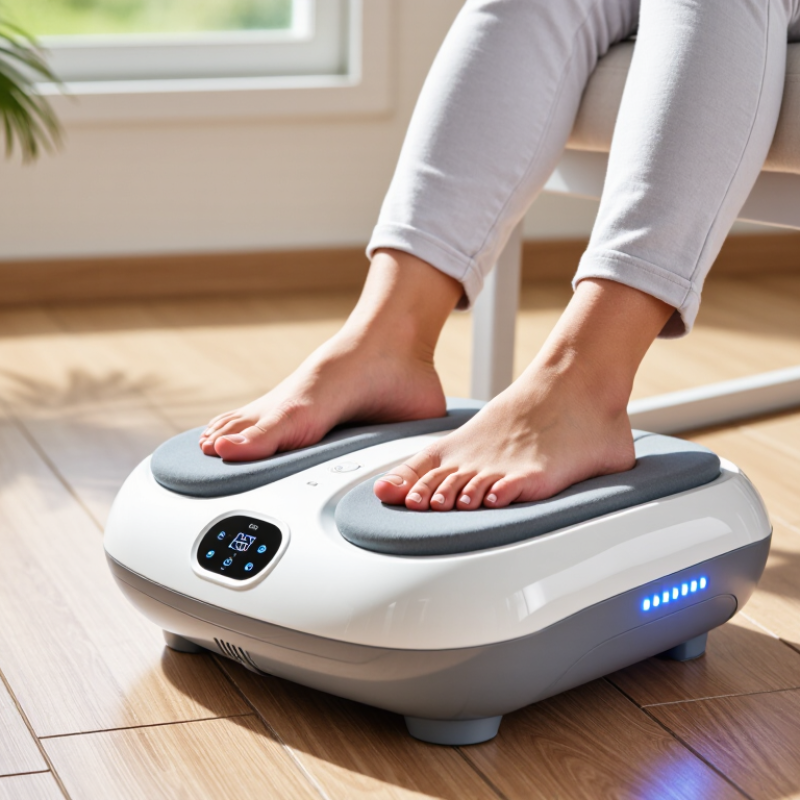
Check Whether an EMS Foot Massager Is Suitable for You
Before using an EMS foot massager, check whether its electrical stimulation is appropriate for you. Read the device instructions carefully; warnings can differ between models. If you have a pacemaker or another implanted electronic device, ask your healthcare professional before use. The same caution applies during pregnancy and for people with diabetes, reduced circulation, nerve problems, or a history of seizures.
Can you feel temperature and pressure normally in both feet? Reduced sensation may make it harder to notice irritation or excessive stimulation.
Avoid using the device over broken, inflamed, or infected skin, and seek medical advice if you have unexplained foot pain or swelling. That matters. A pleasant tingling sensation should not become painful, and stronger settings are not necessarily more effective.
If use seems appropriate, start while seated, with clean, dry feet, and choose a low setting. Check your skin during and after the session. Stop if you feel burning, sharp pain, dizziness, or lingering numbness.
It is tempting to judge suitability after one comfortable session, but your response may change. I would not treat a device’s marketing claims as proof that it can address a medical condition; discuss persistent symptoms with a qualified clinician.
Prepare the Device and Position Your Feet
How to Use an EMS Foot Massager
Prepare the Device and Position Your Feet
Before switching on an EMS foot massager, place it on a dry, level floor near a stable chair. Read the device instructions, then inspect your feet for cuts, irritation, or swelling. Clean, dry skin helps maintain contact with the footplate. Skip lotions beforehand; they can make your feet slippery. If you have reduced sensation, a wound, or an implanted electrical device, ask a healthcare professional before use.
Sit down and place both bare feet on the marked areas, with your heels and forefeet resting flat. Adjust your position until the contact feels even, not pinched. Start at the lowest setting and increase it only if the sensation remains comfortable. Stop if you feel pain, burning, or persistent tingling. A device session is not a substitute for movement: the WHO’s 2020 physical activity guidelines recommend 150–300 minutes of moderate aerobic activity weekly for adults.
Tips: Keep the control panel within reach. Check that your feet stay flat as you adjust intensity. Small detail, big difference. It is easy to rush setup, but a few quiet seconds can reveal poor contact or discomfort early.
How to Use an EMS Foot Massager - Prepare the Device and Position Your Feet
| Step |
What to Do |
What to Check |
| 1. Read the instructions |
Review the device’s user manual before use, including its setup, cleaning, session-length, and safety guidance. |
Models differ in electrode design and operating instructions; follow the guidance for your specific device. |
| 2. Check the device |
Place it on a stable, level surface and inspect the unit, power connection, and electrode area for visible damage or debris. |
Do not use a device with damaged wiring, a cracked surface, or other signs of damage. |
| 3. Prepare your feet |
Remove shoes and socks if the manual calls for direct skin contact. Make sure your feet are clean and follow the manual’s instructions about moisture or conductive gel. |
Do not apply lotions or other products unless the manufacturer specifically permits them. Avoid using the device on broken or irritated skin. |
| 4. Sit securely |
Sit in a steady chair and place the unit where both feet can rest comfortably on its electrode surface. |
Keep your posture relaxed and avoid standing on the device unless its instructions explicitly allow it. |
| 5. Position your feet |
Place both feet on the marked electrode areas, following any alignment diagram supplied with the device. |
Keep your feet comfortably positioned and in contact with the intended areas; do not force an uncomfortable position. |
| 6. Begin at a low setting |
Turn the device on and increase the intensity gradually, using the controls and session settings described in the manual. |
Stop if you experience pain, burning, skin irritation, dizziness, or unusual discomfort. Ask a healthcare professional if you are unsure whether EMS is appropriate for you. |
Choose an Intensity and Start the Massage
Place the EMS foot massager on a dry, level floor, then sit with both feet centered on its contact pads. Start at the lowest intensity. You should feel a gentle pulsing or tingling, not pain or a sharp jolt. Increase the setting one step at a time, pausing briefly to notice how your feet respond. There is no universal “right” level; device controls and sensations vary. Keep the first session short and follow the manual’s time limit. More intensity is not automatically more effective.
Check your skin afterward. Stop if you notice pain, burning, unusual redness, or lingering numbness. The FDA’s consumer guidance on electronic muscle stimulators lists skin irritation, burns, bruising, and pain among reported problems. Take that seriously. If you have reduced foot sensation or circulation problems, ask a clinician before use; it may be harder to notice excessive stimulation. The CDC’s 2024 National Diabetes Statistics Report estimates that 38.4 million people in the United States have diabetes, a condition that can affect foot sensation. I’d be cautious here: a comfortable feeling during use does not prove the setting is suitable for everyone.
Adjust the Settings During Use
Before changing settings, sit somewhere stable and place clean, dry feet on the electrodes as directed by the manual. Start at the lowest intensity. You may feel a mild tingling or gentle muscle movement; it should not hurt. Small steps matter. Wait a few seconds after each adjustment, since the sensation can build gradually.
Increase the level one step at a time until the stimulation feels noticeable but comfortable. A stronger setting is not automatically more effective. If your toes curl, your foot tenses, or the tingling becomes sharp, lower the intensity or pause the session. Keep your feet still while adjusting, and do not try to push through burning, pain, or unusual numbness. It is easy to misjudge a setting when distracted, so check how both feet feel.
Use the session timer and follow the device’s instructions rather than extending use to chase a stronger effect. Stop if your skin becomes irritated or you feel unwell. Settings and safety limits vary by device. If you have reduced sensation, circulation problems, or an implanted electronic device, check with a healthcare professional before use. That pause is worthwhile. If a level feels comfortable at first but becomes unpleasant later, turn it down; comfort can change during a session.
How to Use an EMS Foot Massager — Adjust the Settings During Use
This example shows a gradual intensity adjustment during a 20-minute session. Start at a comfortable low setting and increase only if it still feels comfortable; reduce or stop if you feel pain or discomfort. Intensity scales vary by device, so follow its instructions.
Turn Off, Clean, and Store the Device
When your EMS session ends, switch the unit off and unplug it before touching the pads or cables. Follow the device manual: electrode materials and cleaning instructions can differ. Wipe reusable surfaces with a soft cloth lightly dampened with water or the approved cleaner. Never immerse the control unit, and do not spray liquid into connectors. Check the leads for cracks or loose fittings, then let every surface dry completely. A pad that looks dry may still hold moisture; it is worth checking rather than guessing.
Good hygiene matters, but hospital infection figures should not be confused with home-device risk. The CDC’s 2015 healthcare-associated infection report estimated that about 1 in 31 U.S. hospital patients had at least one such infection on a given day. That statistic is not specific to foot massagers. It does reinforce a practical point: clean shared-contact surfaces routinely, especially when more than one person uses the device. Store it only after it is dry, with cables loosely coiled and pads protected from dust, heat, and direct sunlight.
Tips: Use a lint-free cloth and avoid abrasive cleaners unless the manual permits them. Keep the device in a cool, dry drawer or its storage case. Don’t wrap cords tightly around the unit; repeated bending can strain the wire. If a pad no longer adheres, or a cable looks damaged, stop using it and check the manufacturer’s care guidance.
Conclusion
An Ems Foot Massager is simple to use when you take a few moments to check that it is suitable for you and read the device instructions. If you have a health condition, reduced sensation in your feet, or are unsure whether electrical stimulation is appropriate, seek guidance from a healthcare professional before use. Place the device on a stable, dry surface, make sure your feet are clean and dry, and position them as directed.
Begin with the lowest intensity and start the massage, increasing the level gradually only if it feels comfortable. Stay relaxed and pay attention to how your feet feel; pause or lower the intensity if the sensation becomes uncomfortable. You can adjust available settings during the session to suit your comfort, without exceeding the recommended use time. When finished, turn off the device before removing your feet. Clean it according to the instructions, allow it to dry fully, and store it in a cool, dry place.
 Emicool
