
Emicool Emicool

What Is a Lower Back Massager?

Time:2026-09-16 Author:Mason
0%

A Lower Back Massager is a device designed to ease muscle tension around the lumbar area. It may use vibration, kneading, heat, compression, or rolling pressure. Some models fit against a chair, while others resemble handheld tools. The goal is simple: make tight muscles feel more comfortable after work, exercise, or long hours of sitting.

“Massage should support movement, not replace it,” says Dr. Karena Wu, a board-certified orthopedic physical therapist. Her point matters. A Lower Back Massager may temporarily reduce stiffness, but it cannot correct poor posture, weak muscles, or an untreated spinal condition. It should be one part of a sensible care routine.

Imagine sitting at a desk for six hours. Your lower back feels dense and tired. Gentle heat and slow kneading may help the muscles relax. However, stronger pressure is not always better. Excessive intensity can increase soreness, especially when the body is already irritated.

A reliable product should offer adjustable intensity, stable support, clear instructions, and an automatic shutoff. These details affect comfort and safe daily use. Users should begin with the lowest setting and monitor their response. Stop if numbness, sharp pain, weakness, or unusual symptoms appear.

This guide will explain how a Lower Back Massager works, who may benefit, and what limitations deserve attention. It will not promise a perfect solution. Some personal experience can be useful, but it can also be misleading. Persistent or severe back pain requires evaluation from a qualified healthcare professional.

What Is a Lower Back Massager?

What Is a Lower Back Massager?

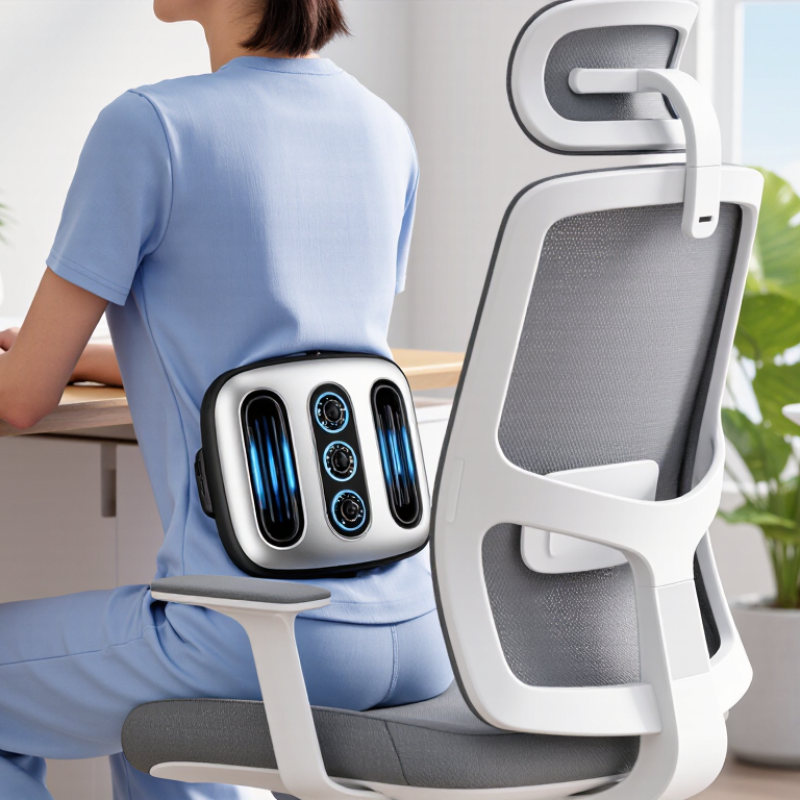
A lower back massager is a device designed to apply pressure, vibration, rolling motion, or gentle heat around the lumbar area. It may be a handheld tool, a cushion, or a flexible pad placed on a chair. The goal is simple: relax tight muscles and make sitting or resting more comfortable.

During use, the sensation should feel firm but manageable. A rolling model may imitate kneading fingers, while vibration creates a lighter, buzzing effect. Heat can make the session feel soothing, especially after long hours at a desk. However, stronger pressure does not always mean better results. Ten to fifteen minutes may be enough for many people. The lower back should not feel bruised afterward.

A massager can support temporary relief from everyday muscle tension, but it cannot identify the cause of persistent pain. That distinction matters. Pain may involve muscles, joints, nerves, or another health condition. Personal experience can be useful, but it is not a diagnosis. Stop using the device if numbness, sharp pain, dizziness, or unusual weakness appears. People with recent injuries, reduced sensation, pregnancy-related concerns, or medical conditions should ask a qualified healthcare professional before use. I have found that comfort settings are easy to overestimate; a gentle session often works better than an aggressive one.

What Is a Lower Back Massager?

Data Dimension Typical Information Practical Meaning
Definition A device designed to apply massage-like pressure, vibration, rolling, percussion, or gentle heat to the lower-back area. It is intended for temporary comfort and muscle relaxation, not for diagnosing or treating the underlying cause of back pain.
Common Forms Massage cushions, handheld massagers, lumbar massage belts, massage mats, and foam rollers. The best form depends on whether the user needs hands-free use, targeted pressure, portability, or broader back coverage.
Main Massage Actions Kneading, rolling, vibration, percussion, compression, or static pressure. Different actions create different sensations. Gentle modes are generally more suitable for beginners and sensitive muscles.
Heat Function Some models provide low-level surface heat, often with a separate on/off control. Heat may feel soothing for muscle tightness, but it should not be used on numb skin or while sleeping. Follow the product’s instructions.
Typical Power Sources AC power adapters, rechargeable batteries, replaceable batteries, or manual operation. Rechargeable and battery-powered designs are convenient for travel, while plug-in models can support longer sessions.
Usual Session Length Many powered devices use automatic timers of approximately 10–20 minutes per session. Short sessions can help limit skin irritation, soreness, or excessive pressure. The exact limit varies by product.
Potential Uses Temporary relief of perceived muscle tightness, stiffness after sitting, and general relaxation. A massager may complement movement, stretching, and professional care, but it should not replace medical evaluation when needed.
Pressure Levels Basic devices may offer one setting; adjustable models commonly provide low, medium, and high intensity. Start with the lowest comfortable setting and stop if pain, tingling, bruising, or numbness occurs.
Important Safety Point Massage should generally target the surrounding muscles rather than pressing directly on the spine. Avoid forceful use over bones, open wounds, inflamed skin, or areas with reduced sensation.
People Who Should Seek Advice People who are pregnant, have osteoporosis, recent injuries, spinal conditions, blood-clotting concerns, implanted medical devices, or significant unexplained pain. A healthcare professional can help determine whether massage is appropriate and which intensity is safe.
When to Stop and Seek Medical Care Stop using the device and seek prompt medical advice for weakness, loss of bladder or bowel control, numbness in the saddle area, fever, severe pain, or pain following major trauma. These symptoms may indicate a condition requiring medical assessment rather than self-massage.

How Lower Back Massagers Work

What Is a Lower Back Massager?

A lower back massager is a handheld, cushion-style, or wearable device designed to stimulate muscles around the lumbar area. Most models use kneading, rolling, vibration, pressure, or gentle heat. Their purpose is comfort, not spinal correction. That distinction matters.

How Lower Back Massagers Work

These devices apply repeated pressure to soft tissues beside the spine. The pressure activates skin and muscle receptors, which may reduce pain signals reaching the brain. This effect is often described through the “gate control” theory of pain.

Vibration can also distract the nervous system from a dull ache. Heat may relax tense muscles and increase the feeling of local comfort, although it does not repair damaged tissue.

The World Health Organization reported that 619 million people experienced low back pain in 2020. It projects that this number could reach 843 million by 2050. Professional guidance from the American College of Physicians includes massage among non-drug options for some acute, subacute, and chronic cases. However, evidence reviews describe massage benefits as mainly short-term, with variable certainty.

Results depend on pressure, duration, posture, and the cause of pain. Too much pressure can increase soreness. It is not always better. A device may feel helpful after desk work, yet prove unsuitable for nerve-related symptoms or an acute injury.

Stop if pain travels down the leg, numbness appears, or weakness develops. Persistent symptoms deserve assessment by a qualified healthcare professional, because a massager can hide discomfort without addressing its source.

Types of Lower Back Massagers

What Is a Lower Back Massager?

Lower back massagers are devices designed to apply pressure, vibration, warmth, or gentle movement around the lumbar area. Their purpose is comfort, not diagnosis or guaranteed treatment. The need is substantial: a Global Burden of Disease analysis published in The Lancet Rheumatology estimated that 619 million people experienced low back pain in 2020. The figure could reach 843 million by 2050.

Types of Lower Back Massagers

Handheld percussion massagers deliver focused pulses to tight muscles. They are useful after prolonged sitting, but excessive pressure may increase soreness. Massage cushions use rotating nodes across the lower back and often include adjustable heat. Heat wraps provide softer, steady warmth and suit people who dislike mechanical pressure. Vibrating belts are portable and easy to wear during light activities, although their evidence remains limited. Some devices combine massage with electrical stimulation, but users should follow medical guidance, especially with implanted electronic devices.

A 2023 review from the National Center for Complementary and Integrative Health reported that massage may offer short-term relief for some chronic low back pain. The effect is not universal. That matters. In practical use, a lower setting for ten minutes may feel better than aggressive pressure for thirty minutes. Stop when numbness, sharp pain, weakness, or unusual swelling appears. A massager cannot replace professional assessment when pain follows an injury or travels down the leg. My own cautious view is simple: comfort can be valuable, but comfort alone does not prove recovery.

Key Benefits and Common Uses

What Is a Lower Back Massager?

Key Benefits and Common Uses

A lower back massager is a handheld or seat-based device designed to stimulate muscles around the lumbar area. It may use vibration, rolling pressure, heat, or gentle kneading. Many people use it after long hours at a desk, during travel, or after light exercise. The pressure can relax tight muscles and create a temporary feeling of comfort. Some users also notice improved local circulation and easier movement afterward.

The benefits are not identical for everyone. A massager may reduce muscle tension, but it does not correct poor posture, spinal conditions, or serious injuries. The relief can feel real, yet it may fade quickly. Stop using it if you feel sharp pain, numbness, weakness, dizziness, or unusual tingling. People with recent injuries, unexplained back pain, or certain medical conditions should ask a qualified healthcare professional before use. I would not treat a massager as a replacement for assessment or physical therapy.

Tips: Begin with the lowest setting for five to ten minutes. Keep the device on soft tissue, not directly on the spine or hip bones. Use gentle pressure and check your skin afterward, especially when using heat. A neutral sitting position and regular movement may support longer-lasting comfort. It is easy to press too hard when the area feels stiff, but stronger is not always better.

Safety Considerations and Choosing the Right Device

A lower back massager is a handheld, cushion-style, or wearable device that applies vibration, pressure, heat, or kneading to lumbar muscles. It may ease temporary tightness, especially after desk work or lifting. However, it does not correct nerve compression, fractures, or serious spinal disease. The World Health Organization reports that 619 million people experienced low back pain in 2020, with cases projected to reach 843 million by 2050. That scale makes safe self-care important, not casual.

Safety comes first. Avoid strong pressure over the spine, kidneys, bruised skin, open wounds, or areas with reduced sensation. Heat can feel soothing, but numb skin may not detect burns. People with pregnancy-related pain, osteoporosis, diabetes-related neuropathy, blood-clotting conditions, or recent surgery should ask a clinician before use. Stop immediately if pain becomes sharp, spreads down the leg, or causes weakness. Seek urgent medical advice for bladder changes, bowel problems, fever, or sudden numbness. Small warning signs matter.

Choose adjustable intensity, automatic shutoff, stable support, and clear instructions. A gentler setting is usually the wiser starting point. The American College of Physicians lists massage among non-drug options for some acute, subacute, and chronic low back pain, but its guideline does not prove every device works equally well. Check independent testing, return policies, and cleaning requirements. Do not sleep on a heating function. Honestly, more pressure is not automatically better; I would treat comfort as useful feedback, not proof of healing.

FAQS

What is a lower back massager?

It is a handheld, cushion-style, or flexible device for the lumbar area. It may use rolling, kneading, vibration, pressure, or gentle heat. Its purpose is comfort, not spinal correction.

How does a lower back massager work?

The device applies repeated pressure to soft tissues beside the spine. This may reduce the feeling of muscle tension or dull discomfort. Vibration can distract the nervous system, while heat may feel soothing.

Can it relieve lower back pain?

It may provide temporary relief from everyday muscle tension. Benefits are often short-term and vary between people. It cannot identify or fix the original cause of persistent pain.

How long should one session last?

Ten to fifteen minutes may be enough for many users. Begin with a gentle setting and observe your body afterward. Longer sessions are not automatically better.

Should stronger pressure produce better results?

No. Strong pressure can increase soreness or leave the area feeling bruised. Keep it gentle. I sometimes overestimate comfort during use, then notice stiffness later.

When should someone stop using the device?

Stop if sharp pain, numbness, dizziness, or unusual weakness appears. Also stop if pain travels down the leg. These symptoms may need professional assessment.

Who should seek medical advice before using a massager?

People with recent injuries, reduced sensation, pregnancy-related concerns, or medical conditions should ask a qualified healthcare professional. Persistent symptoms also deserve evaluation. A massager can hide discomfort without treating its source.

Is heat necessary for lower back massage?

No. Heat is optional and mainly increases the feeling of relaxation. It does not repair damaged tissue. Check the temperature carefully, especially if sensation is reduced.

Can a massager replace medical treatment?

No. Lower back pain may involve muscles, joints, nerves, or another condition. Personal experience is useful, but it is not a diagnosis. The device is better viewed as a comfort tool.

Conclusion

A Lower Back Massager is a personal wellness device designed to ease tension, stiffness, and discomfort in the muscles around the lower spine. It may use vibration, rolling, kneading, heat, compression, or a combination of these methods to provide targeted relief. Different types include handheld tools, cushion-style massagers, wearable wraps, and compact devices for use at home, work, or while traveling. Each design offers a different level of pressure, coverage, and convenience.

Lower back massagers are commonly used after sitting for long periods, exercising, or performing physically demanding tasks. Potential benefits include temporary muscle relaxation, improved comfort, and support for everyday mobility. However, they should be used carefully and according to the instructions, especially when heat or strong pressure is involved. People with unexplained pain, recent injuries, numbness, circulation problems, or ongoing medical conditions should seek professional advice before use. When choosing a device, consider intensity settings, comfort, safety features, size, and the specific area you want to target.

Mason

Mason

Mason is a seasoned marketing professional with a deep expertise in the company's offerings and a passion for driving brand awareness. With a strong background in digital marketing strategies, he has an innate ability to connect with diverse audiences and effectively communicate product benefits.......