 Emicool
Emicool
Emicool
Engineered for physiological efficiency, structural durability, and high user compliance across retail and clinical markets.
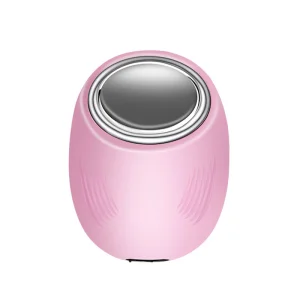
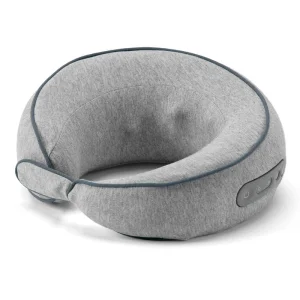
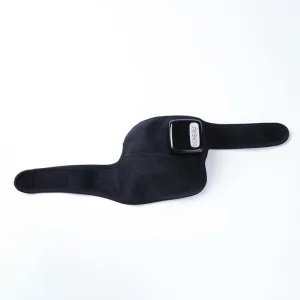
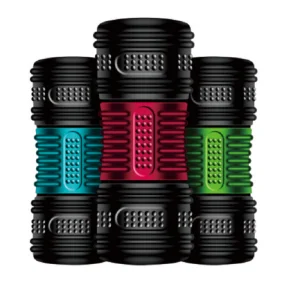
The global beauty and wellness technology market has undergone a significant paradigm shift over the past decade. No longer confined to clinical dermatology centers and luxury spas, advanced facial tightening, lymphatic drainage, and microcurrent stimulation technologies have entered the home-use retail space. Central to this home-care revolution is the 3D Face Massager—a device designed to mimic the manual kneading, pulling, and massaging techniques of professional estheticians.
For B2B procurement officers, distributors, and brand owners, navigating the ecosystem of original equipment manufacturers (OEMs) and original design manufacturers (ODMs) requires a deep understanding of device engineering, material certifications, and regional price dynamics. Selecting the right factory partner directly impacts your product's lifecycle, safety profile, brand value, and profit margins. This whitepaper analyzes these elements, providing the strategic framework necessary for large-scale purchasing and brand deployment.
How modern engineering is transforming a simple mechanical roller into a smart, multi-modal biological device.
Electrical Muscle Stimulation (EMS) sends low-level electrical currents mimicking the body's natural bio-electric pulses. This stimulates adenosine triphosphate (ATP) production, driving cellular repair and facial muscle toning. Modern 3D rollers now incorporate solar panels or rechargeable lithium batteries to power these currents directly through the roller balls.
The transition from basic ABS plastic to medical-grade zinc alloys and platinum plating has minimized dermal irritation risks. The structural positioning of 3D rollers at precise 70-degree to 115-degree V-shaped angles ensures optimal grip on the subcutaneous tissue, maximizing lymphatic clearance without damaging delicate blood vessels.
Incorporating thermotherapy (heats up to 42°C) and phototherapy (Red LED for collagen synthesis, Blue LED for acne bacteria control) adds a multi-tiered value proposition to the device, elevating standard manual rollers into high-tier beauty tech.
The pricing matrix for bulk procurement of 3D face massagers is governed by several core technical variables. B2B buyers must analyze these parameters to avoid compromised quality or inflated margins. Below is an indicative industry cost breakdown based on design complexity and materials:
| Device Tier & Tech Specifications | Key Material & Power Source | Est. FOB China Unit Price (USD) | Standard MOQ | Target Market Position |
|---|---|---|---|---|
| Mechanical V-Roller (Standard) Manual 3D rotation, basic plating. |
ABS body, aluminum/zinc alloy spheres. Non-powered. | $1.50 - $3.20 | 2,000 units | Gifts, entry-level retail promotions, cosmetics packaging add-on. |
| Solar-Powered Microcurrent Roller Built-in solar panel generating low-intensity microcurrent. |
Zinc alloy roller, platinum coating. Solar cell. | $4.50 - $7.50 | 1,000 units | Mid-tier cosmetics brands, specialty beauty retail chains. |
| Rechargeable EMS & Sonic Vibrating Roller Adjustable microcurrent, 10,000 RPM high-freq vibration. |
Eco-friendly zinc alloy + ABS. Rechargeable Li-ion battery. | $9.00 - $14.50 | 500 units | Direct-to-consumer (D2C) brands, professional clinical skin-care retailers. |
| Multifunctional Smart Roller (Premium) EMS + Red/Blue LED + Thermal Heat (42°C) + Waterproof (IPX7). |
Full Zinc Alloy, medical-grade plating, induction charger. | $18.00 - $32.00 | 500 units | High-end cosmetic brands, aesthetic clinics, premium consumer electronic brands. |
1. Material Integrity: Platinum or gold plating protects the client's skin against nickel allergies and chemical oxidation from cosmetic serums. Cheaper plastics coated in low-grade metallic paint peel over time and can cause severe contact dermatitis.
2. Battery Quality & Power Circuitry: High-end rechargeable models require certified lithium batteries (UL, UN38.3, MSDS) to ensure international shipping compliance and product safety. Uncertified cells cut costs but present fire hazards.
3. Waterproofing Level: Facial massagers are frequently used alongside moisturizers and water. Certifying a device to IPX6 or IPX7 requires precision sealing, ultrasonic welding, and rigorous testing, adding roughly 10% to 15% to the base manufacturing cost.
Under the flagship brand Emicool, Zhejiang E-cozy Electronic Technology Co., Ltd. has established itself as an elite player in global sports recovery, massage wellness, and beauty-care technologies. Founded in Wenzhou, China, E-cozy transitioned from a focused manufacturing unit into a global industrial leader, delivering comprehensive OEM and ODM solutions to elite brands.
Established in July 2015, formerly known as Ruian Kangrui Electronic Technology Co., Ltd., the company began with just 15 staff members. Focusing on quality control as its core competitive edge, it steadily built a solid reputation in a crowded industry. Today, E-cozy exports 95% of its production capacity, serving clients in over 50 countries and regions.
Strategic partnerships with global giants like Amway, OGAWA, Costco, Medisana, and ALDI underscore the level of trust E-cozy commands in the international market.
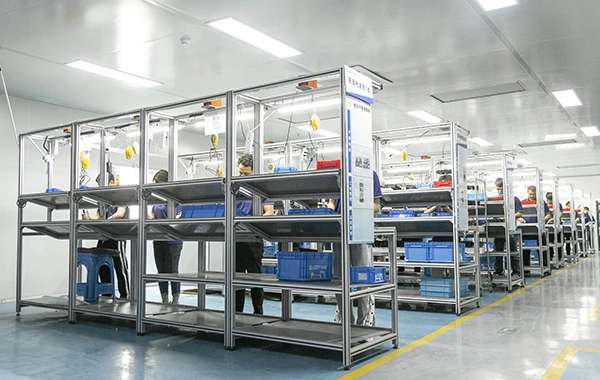
How E-cozy manages product lifecycles from preliminary engineering concepts to certified mass production.
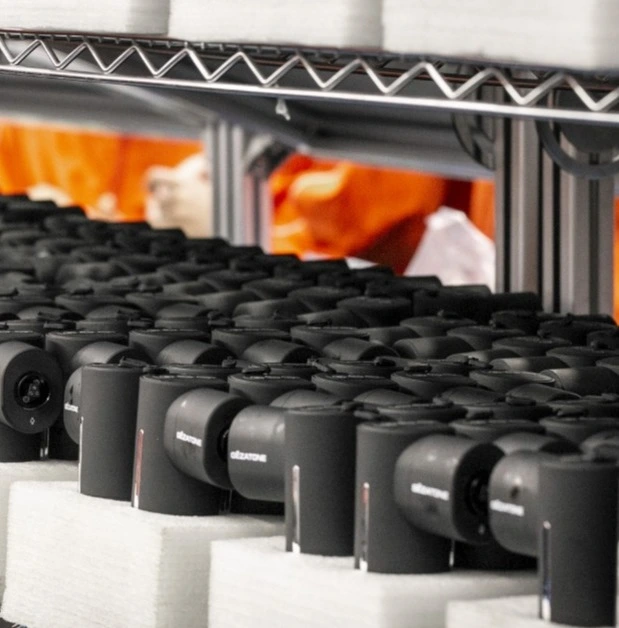
Innovation drives E-cozy's growth. The company introduces new wellness and beauty devices monthly to meet changing market needs. Integrating technologies like EMS, ultrasonic waves, and custom mechanical kinetics, the R&D team converts market feedback into ready-to-sell consumer products.
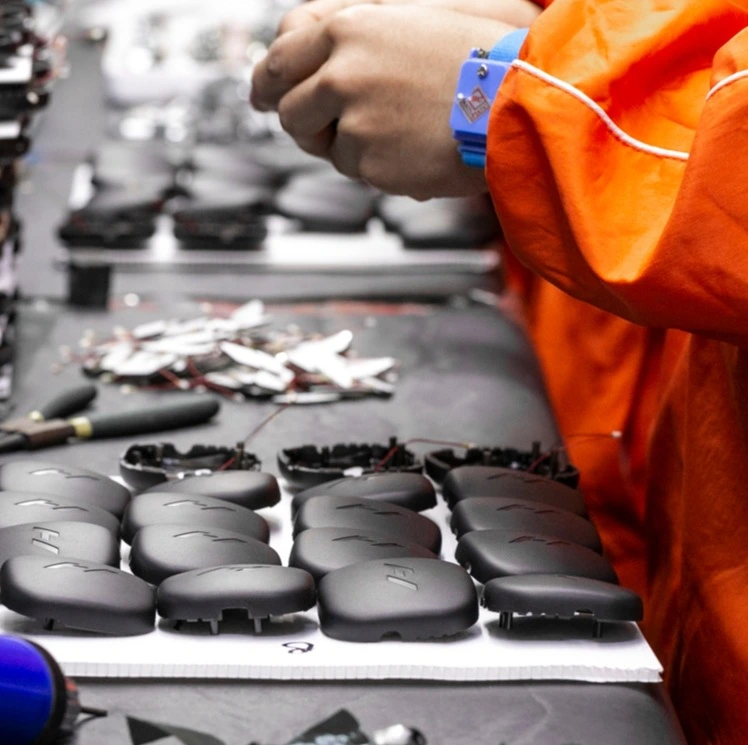
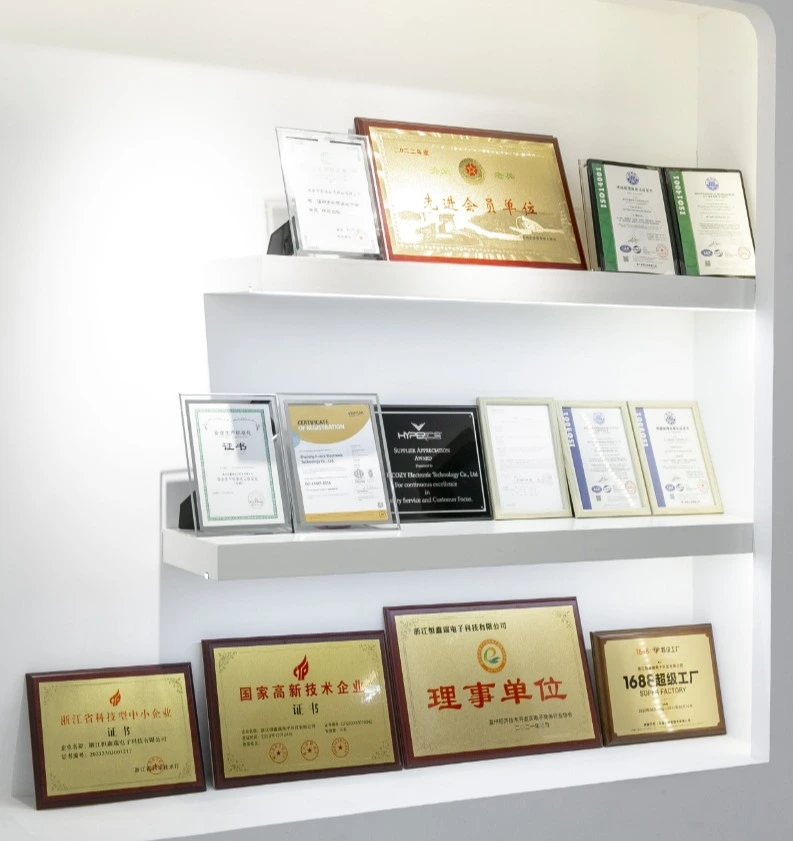
E-cozy products undergo rigorous testing, including stress, structural durability, drop, and component thermal tests. With certifications like ISO 9001, ISO 13485, BSCI, FDA, CE, and RoHS, E-cozy guarantees global compliance and product reliability.
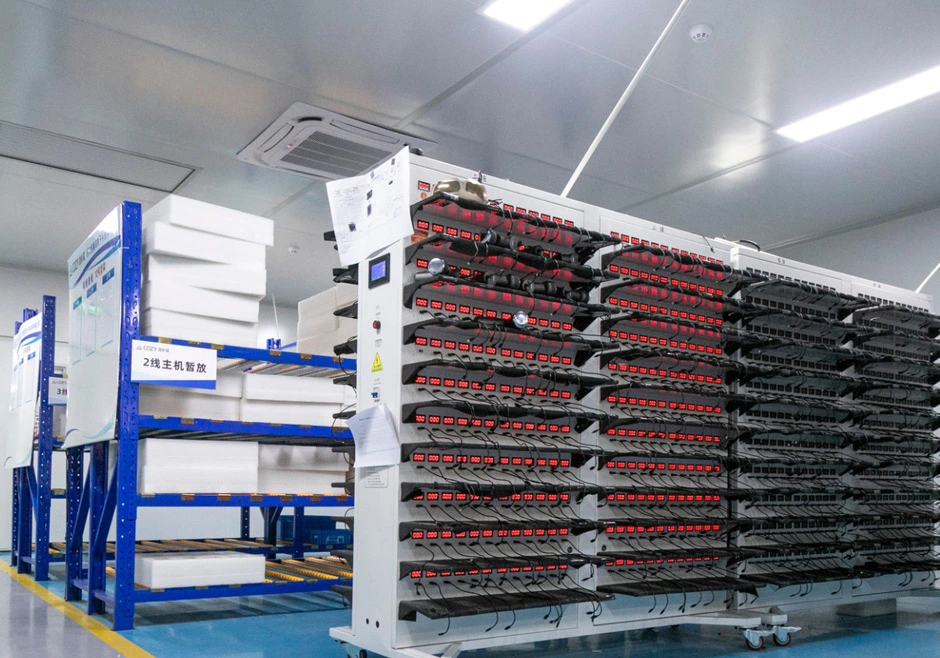
A dedicated 50+ member quality control team monitors every stage of manufacturing. Adhering strictly to ISO 9001, ISO 14001, and ISO 13485 (Medical Devices Quality Management Systems), the QA laboratory conducts:
The global distribution of beauty and wellness electronics requires strict adherence to import and safety regulations. Depending on the target region, importing facial massagers involves different compliance pathways:
Sourcing devices featuring microcurrent or laser tech for the US requires FDA registration or 510(k) clearances (for medical classifications). Electronics must also carry FCC certification, and batteries require UN38.3 compliance.
Importing into the EU requires the CE Mark, showing conformity to the LVD (Low Voltage Directive), EMC (Electromagnetic Compatibility), and RoHS (Restriction of Hazardous Substances). Factories must also demonstrate BSCI social compliance.
Regions like Japan (PSE mark), South Korea (KC certification), and China (CCC) have distinct requirements. Choosing a manufacturer with a pre-existing compliance portfolio simplifies local market entry.
The future of 3D facial massagers lies in the integration of diagnostic sensors and customization. We anticipate that within the next three years, mid-to-high-end devices will feature smart skin impedance sensors. These sensors automatically adjust microcurrent output in real-time based on local epidermal moisture levels, minimizing discomfort and improving toning results.
In addition, biodegradable polymer composites and highly recyclable zinc alloys are replacing traditional petroleum-based plastics. Sourcing partners focused on sustainable production help global brands meet environmental, social, and governance (ESG) standards, preparing their product lines for future environmental regulations.
Get authoritative answers on sourcing parameters, custom configurations, and logistics processes.
From advanced neck massagers to targeted therapeutic devices, E-cozy offers certified wellness engineering for global brands.